
January is one of the best months of the year for a Tanzania safari, and one of the most underrated. The short rains have usually eased, the landscape is green, days are warm and sunny, and the Great Migration herds are gathering on the short-grass plains of Ndutu and the southern Serengeti, where calving begins. Visitor numbers drop after the New Year rush, so the Ngorongoro Crater feels calmer than in the dry season.
This guide covers the weather, where the wildlife and the migration usually are in January, what the Ngorongoro Crater is like, crowds and prices, a sample itinerary and what to pack.
Tanzania in January at a glance
| January | |
|---|---|
| Weather | Warm and mostly dry, with occasional showers |
| Karatu | Warm days in the mid to high 20s °C, mild nights |
| Crater rim at dawn | Cool, sometimes misty |
| Migration | Southern Serengeti and Ndutu; calving begins |
| Crowds | Busy in the first days of January, then moderate |
| Season at our lodge | High season; festive supplement applies on 1 January |
Weather in January
January sits in the short dry spell between the two rainy seasons. Expect warm, sunny days, clear morning light and the odd afternoon shower, which keeps the dust down and the grass green. In Karatu, days are warm and nights mild; on the crater rim, mornings are cool, so a fleece is still useful. On the plains around Ndutu it is hot by midday.
Altitude matters more than latitude in northern Tanzania. The Ngorongoro Crater rim sits at about 2,300 metres and is always cooler than Karatu, at about 1,500 metres, or the lower parks such as Tarangire. See our Ngorongoro weather guide and Karatu weather guide.
Wildlife and the Great Migration in January
This is the start of the calving season. The migration herds spread across the southern plains to graze the mineral-rich grass, and births build through the month towards a peak usually in February. Predators follow: lions, cheetahs and hyenas are very active around Ndutu. Read our Ndutu calving season guide.
The migration follows the rain, so its position shifts a little from year to year. As a rough guide:
| Month | Where the herds usually are |
|---|---|
| January to March | Ndutu and southern Serengeti, calving |
| April to May | Moving through central Serengeti towards the west |
| June | Western Corridor, Grumeti River |
| July to October | Northern Serengeti, Mara River |
| November | Moving south through the east |
| December | Arriving in the south |
The Ngorongoro Crater in January
The Ngorongoro Crater is lush and green, with resident wildlife as reliable as ever. The crater’s own wildebeest begin calving around now, drawing hyenas and lions, and Lake Magadi often holds flamingos when the water level suits. Vehicle numbers are lower than from July to September.
Wildlife lives on the crater floor all year, so the crater is a reliable highlight in any month. Read our complete Ngorongoro Crater guide.
Tarangire and Lake Manyara in January
Tarangire is green and excellent for birds, though many elephants have dispersed outside the park. Lake Manyara is at its most beautiful, with waterfalls on the escarpment and good flamingo numbers. See our Tarangire guide and Lake Manyara guide.
Good to know for January
- Book Ndutu camps early. Seasonal camps around Ndutu open for calving and fill quickly from January to March.
- New Year week is festive season. Rates and crowds stay high until about 2 January; travel after that for a calmer trip.
- Balloon flights operate over the southern Serengeti in calving season and are worth booking ahead.
- Crater floor tracks are generally good, but a heavy shower can make the odd patch slippery.
Pros and cons of a safari in January
Why go
- Calving season begins in the south
- Green landscapes and clear light for photography
- Warm, mostly dry weather
- Fewer vehicles than the dry season after New Year
Things to know
- The first week of January is still busy and priced as festive season
- Occasional showers
- Tarangire’s elephant numbers are lower than in the dry season
A sample January itinerary
| Day | Plan |
|---|---|
| 1 | Arrive in Arusha |
| 2 | Lake Manyara, then Karatu |
| 3 | Ngorongoro Crater |
| 4 | Karatu to Ndutu via Olduvai Gorge |
| 5 and 6 | Calving game drives in Ndutu and the southern Serengeti |
| 7 | Fly back to Arusha or on to Zanzibar |
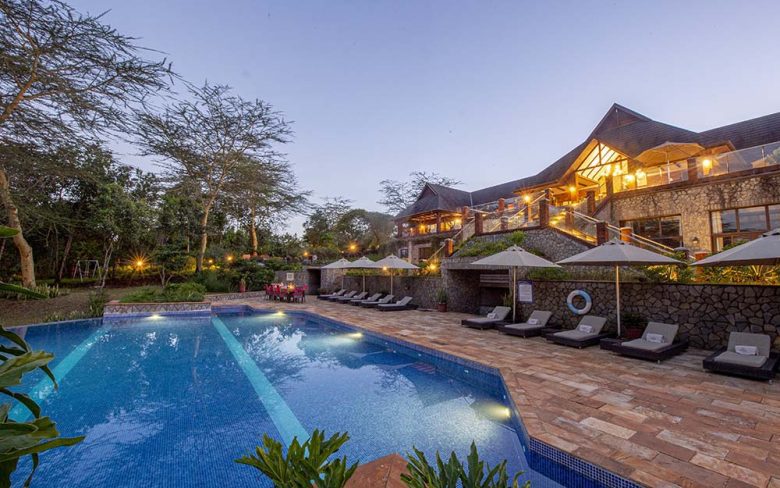
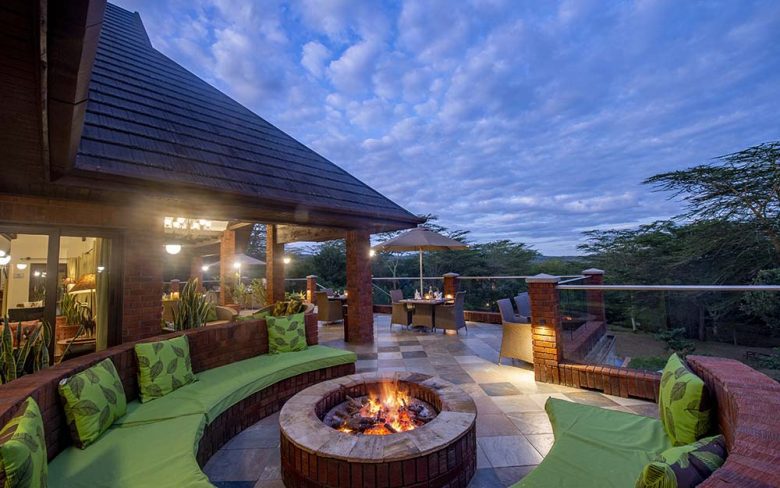
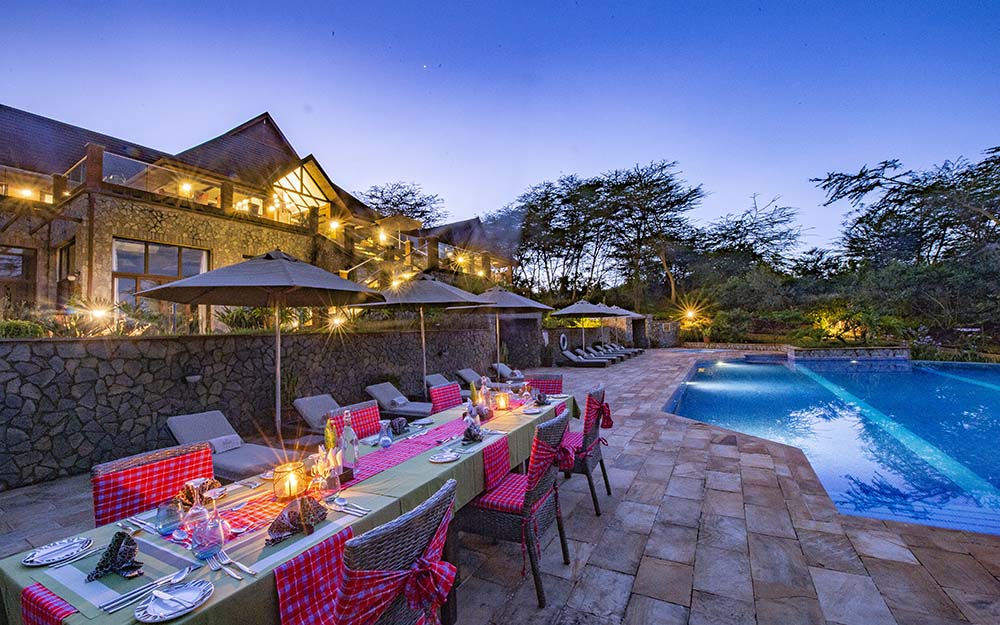
Two nights in Karatu gives you a relaxed crater day. Our lodge, The Retreat at Ngorongoro, is in the Tloma area of Karatu, 20 to 30 minutes from the crater gate. See our villas.
Bush and beach in January
January is also one of the best months on Zanzibar: hot, sunny and calm. It is ideal for a safari followed by a few days on the beach. See our guide to Tanzania safari and Zanzibar.
What to pack for January
Light layers, a fleece for the rim at dawn, a light waterproof, strong sun protection and a long lens for predator action on the plains. See our full safari packing list.
Other months
Comparing dates? Read about a Tanzania safari in December or a Tanzania safari in February.
Questions about a Tanzania safari in January
Is January a good time for a Tanzania safari?
Yes. It is warm and mostly dry, the landscape is green and calving begins in the southern Serengeti and Ndutu.
Where is the Great Migration in January?
On the short-grass plains of Ndutu and the southern Serengeti, where the herds gather to give birth.
Does it rain in Tanzania in January?
Occasionally, usually as short afternoon showers. January is one of the drier months between the two rainy seasons.
Travelling in January? Check availability at The Retreat at Ngorongoro.