
Ndutu is the area of short-grass plains, acacia woodland and soda lakes where the Great Migration gives birth. From roughly December to March, hundreds of thousands of wildebeest gather on the plains around Lake Ndutu and Lake Masek, on the border of the Ngorongoro Conservation Area and the southern Serengeti, and drop most of their calves in a few short weeks. Lions, cheetahs, hyenas and other predators follow, which makes the calving season one of the most dramatic wildlife events on Earth.
This guide explains where Ndutu is, when calving happens, what you can expect to see, the rules that make Ndutu different, and how to plan a calving safari around a stay near the Ngorongoro Crater.
Ndutu at a glance
| Fact | Detail |
|---|---|
| Where | South-western Ngorongoro Conservation Area, merging into the southern Serengeti |
| Lakes | Lake Ndutu and Lake Masek, both shallow soda lakes |
| Calving season | Roughly December to March, with a birthing peak usually in February |
| Wildlife | Wildebeest, zebra, gazelle, lion, cheetah, hyena, jackal, serval, elephant, giraffe |
| Fees | Ngorongoro Conservation Area fees apply in the NCA section; Serengeti fees apply across the boundary |
| From Karatu | Roughly 3 to 4 hours by road via the crater rim and Olduvai area |
What happens during the calving season
When the short rains arrive in November and December, the southern plains turn green. The grass that grows on the volcanic soils here is especially rich in minerals, ideal for pregnant and nursing females. The migration herds move south from the northern and central Serengeti to graze, and from late January to early March most wildebeest calves are born within a few weeks of each other. Some estimates put the number of calves born in this short window in the hundreds of thousands.
Calves can stand and run within minutes of birth, but the first days are the most dangerous. Predators gather, and it is common to see hunts, chases and close interactions between lions, cheetahs and hyenas and the herds.
When exactly?
- December: herds arrive in the south; early births begin.
- January: large herds on the plains; calving builds.
- February: usually the peak of births and predator action.
- March: calving continues and the rains build; herds begin to drift north-west by April.
The timing depends on the rains, which vary from year to year. The herds go where the grass is green, so a good guide who tracks recent movements makes a big difference.
What you can see in Ndutu
- The herds: wildebeest and zebra stretching across the plains, with gazelles mixed in.
- Births: with patience, you may watch a wildebeest calf being born and taking its first steps.
- Cheetahs: the open plains around Ndutu are among the best places in Tanzania to see cheetahs hunting.
- Lions and hyenas: prides and clans follow the herds closely.
- Smaller cats: serval and caracal are seen more often here than in many other areas.
- Lake life: flamingos on the soda lakes when conditions suit, and elephants and giraffes in the woodland around the lakes.
Why Ndutu is different from the rest of the Serengeti
Ndutu sits partly inside the Ngorongoro Conservation Area and partly inside Serengeti National Park, and the two are managed by different authorities with different rules and fees. Ndutu has long been popular with photographers because, in parts of the NCA section, vehicles have been able to leave the tracks to follow sightings, unlike most of the Serengeti, where off-road driving is not allowed. Rules are reviewed from time to time, so ask your operator what is currently permitted, and expect your guide to keep a respectful distance from animals, especially newborn calves.
Because the area attracts many vehicles at peak calving, choose an operator who works away from the busiest sightings.
The honest downsides
- Crowds at peak times. February is popular, and big cat sightings can draw many vehicles.
- The rains. Afternoon storms are common, and some black-cotton soil tracks become slippery after rain.
- Not guaranteed. The herds move with the rain. In a dry year they may be further north or spread out.
- Hard scenes. Calving season means hunts and kills. It is nature, but not for everyone.
How to plan a calving safari
How long
Two or three nights in the Ndutu area, plus the Ngorongoro Crater and a night or two in Karatu, makes a strong six to eight-day safari. Add Tarangire or Lake Manyara at the start if you have time.
Sample route
| Day | Plan |
|---|---|
| 1 | Arrive in Arusha |
| 2 | Tarangire or Lake Manyara, then Karatu |
| 3 | Ngorongoro Crater, back to Karatu |
| 4 | Karatu to Ndutu via Olduvai Gorge |
| 5 and 6 | Calving game drives in Ndutu and the southern Serengeti |
| 7 | Fly out from a nearby airstrip, or drive back via Karatu |
Where to stay
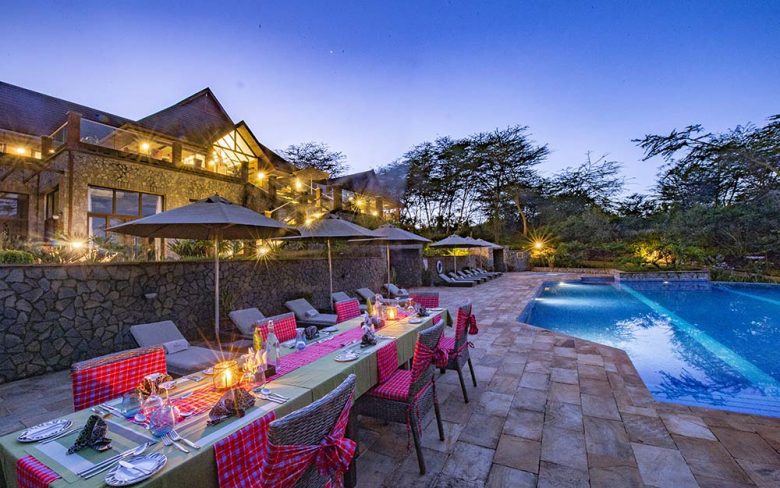
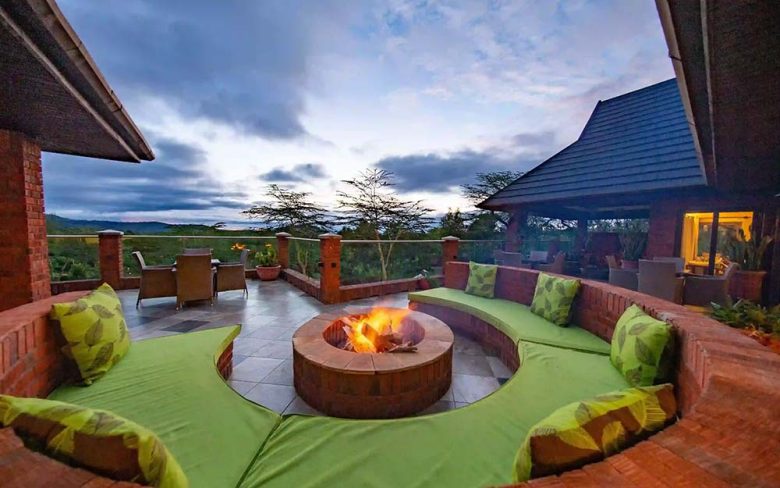
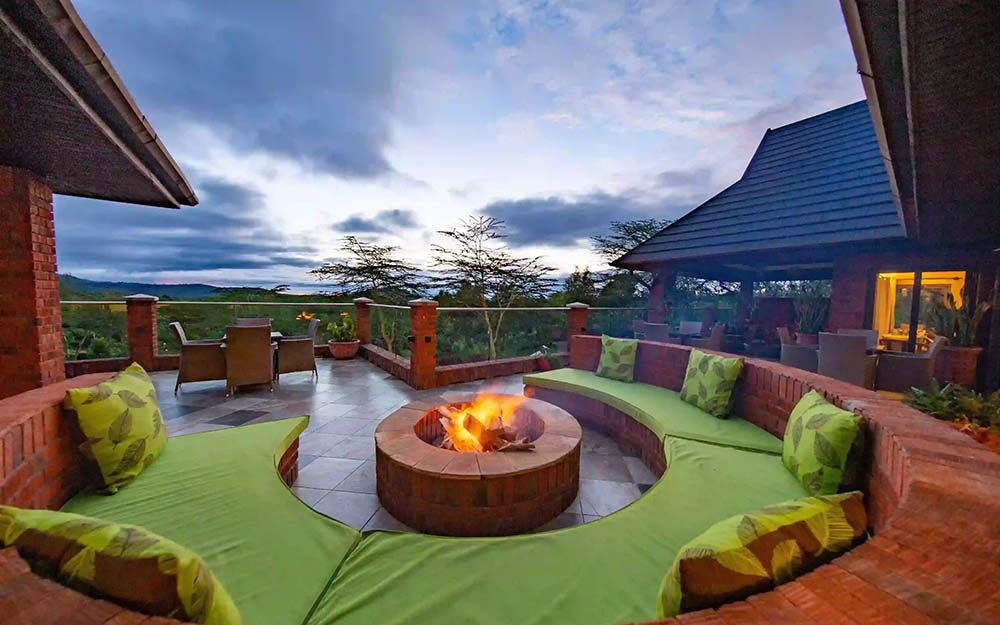
There are lodges and seasonal tented camps around Ndutu and in the southern Serengeti, many open only during the calving months. On either side of your Ndutu nights, Karatu makes a comfortable base: warmer than the crater rim, with more space and no nightly concession fee. Our lodge, The Retreat at Ngorongoro, is 20 to 30 minutes from the Ngorongoro gate. See our villas.
Weather and packing for Ndutu
- Days are warm on the plains; mornings on the crater rim on the drive in are cool.
- Pack a light waterproof jacket for afternoon storms.
- Bring binoculars and a long lens; sightings can be close or far.
- Read our safari packing list and Ngorongoro weather guide.
Fees
In the Ngorongoro Conservation Area section, the conservation fee is charged per person for each 24 hours, about US$70.80 per non-resident adult at 2026 rates, plus nightly concession fees at camps inside the area. In the Serengeti section, Serengeti National Park fees apply. Ask your operator to list all fees clearly. See Ngorongoro fees explained.
Questions about Ndutu and the calving season
When is the calving season in Ndutu?
Roughly December to March, with the peak of births usually in February, depending on the rains.
Is Ndutu in the Serengeti or Ngorongoro?
Both. The Ndutu area straddles the boundary between the Ngorongoro Conservation Area and the southern Serengeti.
What animals can you see during calving season?
Wildebeest, zebra and gazelle in huge numbers, plus lions, cheetahs, hyenas, jackals and often serval.
How far is Ndutu from Karatu?
Roughly three to four hours by road, crossing the Ngorongoro highlands.
Can you combine Ndutu with the Ngorongoro Crater?
Yes. Ndutu is in the same conservation area, so most calving safaris include a crater day and nights in Karatu.
Planning a calving safari? Check availability for your nights in Karatu before and after Ndutu.