
February is calving season at its peak. On the plains of Ndutu and the southern Serengeti, the migration herds give birth to most of their calves in a few short weeks, and predators are everywhere. It is warm, green and usually fairly dry, the Ngorongoro Crater is quieter than in the dry season, and Zanzibar is at its sunniest. For wildlife drama, February is one of the strongest months of the year.
This guide covers the weather, where the wildlife and the migration usually are in February, what the Ngorongoro Crater is like, crowds and prices, a sample itinerary and what to pack.
Tanzania in February at a glance
| February | |
|---|---|
| Weather | Warm, green, mostly dry with some showers |
| Karatu | Often one of the warmest months, with mild nights |
| Crater rim at dawn | Cool, sometimes misty |
| Migration | Ndutu and southern Serengeti; peak calving |
| Crowds | Moderate overall; busy around Ndutu |
| Season at our lodge | High season |
Weather in February
February continues January’s pattern: warm sunny days, occasional afternoon storms and green landscapes. It is often one of the warmest months in Karatu and on the plains. The rim is still cool at dawn, and showers become a little more frequent towards the end of the month as the long rains approach.
Altitude matters more than latitude in northern Tanzania. The Ngorongoro Crater rim sits at about 2,300 metres and is always cooler than Karatu, at about 1,500 metres, or the lower parks such as Tarangire. See our Ngorongoro weather guide and Karatu weather guide.
Wildlife and the Great Migration in February
This is usually the peak of the wildebeest calving season. Thousands of calves can be born in a single day across the southern plains, and lions, cheetahs, hyenas and jackals take advantage. The open plains around Ndutu are among the best places in Tanzania to see cheetahs hunting. Read our Ndutu calving guide.
The migration follows the rain, so its position shifts a little from year to year. As a rough guide:
| Month | Where the herds usually are |
|---|---|
| January to March | Ndutu and southern Serengeti, calving |
| April to May | Moving through central Serengeti towards the west |
| June | Western Corridor, Grumeti River |
| July to October | Northern Serengeti, Mara River |
| November | Moving south through the east |
| December | Arriving in the south |
The Ngorongoro Crater in February
The crater is green and full of life, with its own resident wildebeest and zebra foals and active predators. Visitor numbers are moderate, making it a good time for a relaxed crater day before or after Ndutu.
Wildlife lives on the crater floor all year, so the crater is a reliable highlight in any month. Read our complete Ngorongoro Crater guide.
Tarangire and Lake Manyara in February
Lake Manyara is lush, with birds and baboons in the forest. Tarangire is green and quieter, best for birds rather than big elephant herds at this time of year. See our Tarangire guide and Lake Manyara guide.
Good to know for February
- Cheetah season. The open plains around Ndutu are among the best places in Tanzania to watch cheetahs hunt.
- Expect hard scenes. Calving brings frequent hunts; tell your guide if you prefer not to linger at kills.
- Ask about vehicle etiquette. At busy sightings, a good guide keeps a respectful distance from mothers and newborns.
- Plan a rest afternoon. Long days on the plains are tiring; a slow afternoon in Karatu between Ndutu and the crater helps.
Pros and cons of a safari in February
Why go
- Peak calving and predator action
- Warm weather and green scenery
- Excellent for photography
- Zanzibar is hot and sunny
Things to know
- Ndutu can be busy with vehicles at big sightings
- Some afternoon storms
- Camps near Ndutu fill early, so book ahead
A sample February itinerary
| Day | Plan |
|---|---|
| 1 | Arrive in Arusha |
| 2 | Tarangire or Lake Manyara, then Karatu |
| 3 | Ngorongoro Crater |
| 4 to 6 | Ndutu and the southern Serengeti for calving |
| 7 | Back via Karatu, or fly out |
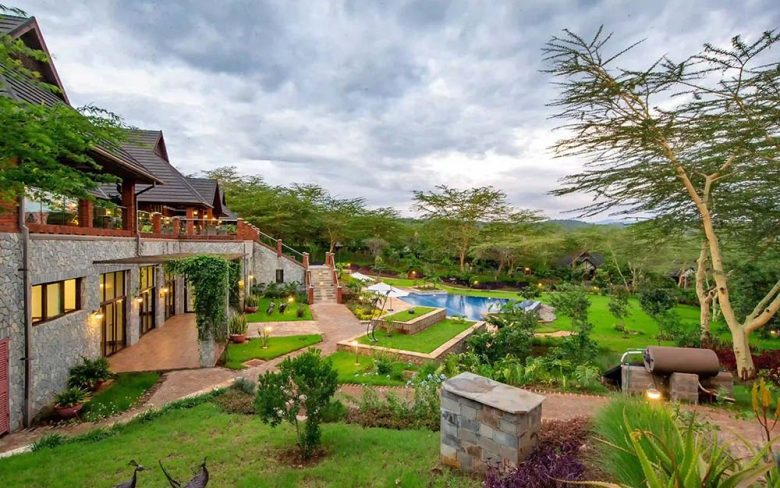
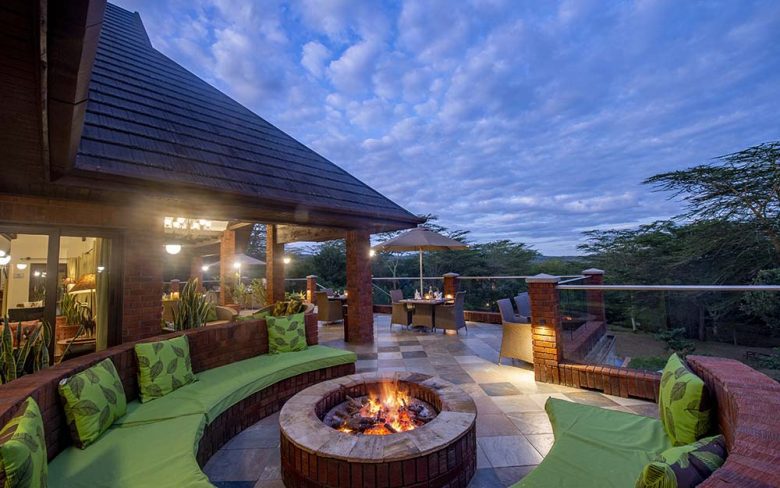
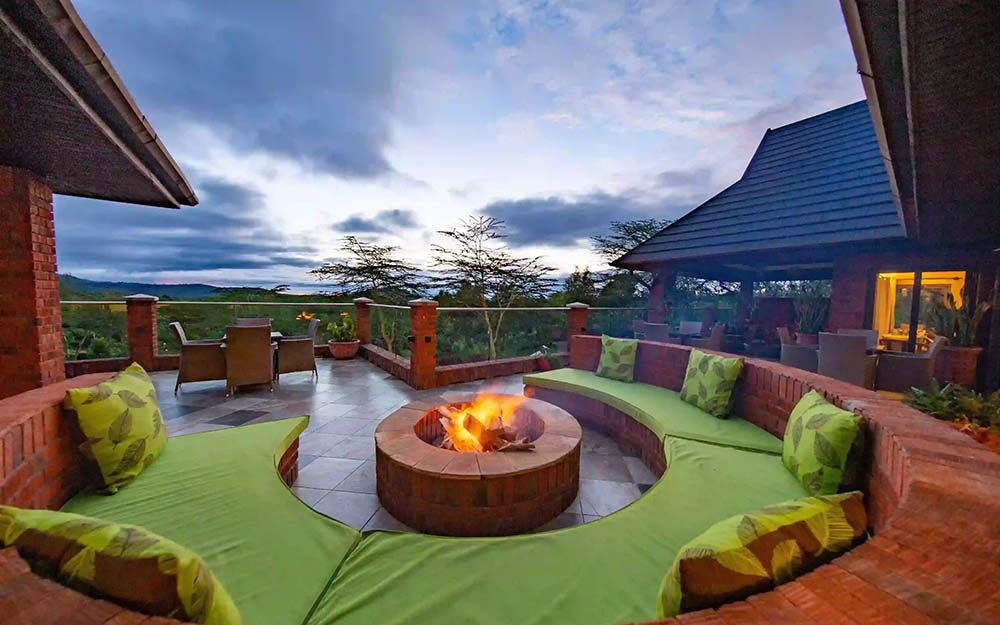
Two nights in Karatu gives you a relaxed crater day. Our lodge, The Retreat at Ngorongoro, is in the Tloma area of Karatu, 20 to 30 minutes from the crater gate. See our villas.
Book early for February
Because February combines peak calving with school half-term in some countries, the small camps near Ndutu and the most popular lodges fill months in advance. If February is your month, book six to twelve months ahead.
What to pack for February
Layers, a light rain jacket, sun protection, binoculars and plenty of memory cards. See our full safari packing list.
Other months
Comparing dates? Read about a Tanzania safari in January or a Tanzania safari in March.
Questions about a Tanzania safari in February
Is February the best month for a Tanzania safari?
For calving and predator action, February is often the best month of the year.
Where is the Great Migration in February?
On the plains of Ndutu and the southern Serengeti, where most calves are born.
Is it rainy in Tanzania in February?
February is mostly warm and dry, with some afternoon showers that increase towards March.
Travelling in February? Check availability at The Retreat at Ngorongoro.