
The Ngorongoro Crater is a collapsed volcano in northern Tanzania whose flat, grassy floor holds one of the densest concentrations of large wildlife on Earth. In a single morning you can see lion, elephant, buffalo, hyena, hippo, flamingos and, with luck, a black rhino, all inside a ring of forested walls about 600 metres high. It is the most reliable big-game drive in East Africa, and it is open every day of the year.
This complete guide covers how the crater formed, what lives there, how a crater day really works, fees and rules, the best time to visit, what people get wrong, where to stay and how to fit the crater into a wider safari. It draws on published park information and on what guides and travellers report again and again about the crater in practice.
Ngorongoro Crater at a glance
| Fact | Detail |
|---|---|
| What it is | The world’s largest unbroken, unflooded volcanic caldera |
| Size of the floor | About 260 km², roughly 19 to 20 km across |
| Depth | Walls about 600 m from rim to floor |
| Rim altitude | About 2,300 m |
| Protected area | Ngorongoro Conservation Area, about 8,292 km², a UNESCO World Heritage Site |
| Main gate | Lodoare (Loduare) Gate, about 20 to 40 minutes from Karatu |
| Opening hours | About 6:00 AM to 6:00 PM daily |
| Time on the floor | Usually up to about six hours per visit |
| Signature animals | Lion, black rhino, elephant bulls, buffalo, hyena, hippo, flamingo, wildebeest, zebra |
| Missing animal | Giraffe: none live on the crater floor |
How the Ngorongoro Crater formed
Around two to three million years ago, a huge volcano stood here, estimated at 4,500 to 5,800 metres high, comparable to Kilimanjaro today. After a massive eruption, its empty magma chamber could no longer hold up the mountain, and the summit collapsed inwards. What remained was a caldera, a vast bowl with steep walls and a flat floor.
Over time, rain and streams filled the bowl with fertile volcanic soil, grassland, swamps and a shallow soda lake. Because the walls are high and the floor has water all year, many animals live here permanently instead of migrating. That is why the crater feels like a natural enclosure, although there are no fences and animals can, and do, walk in and out.
The crater is the centrepiece of the Ngorongoro Highlands, a chain of old volcanoes that also includes Olmoti, Empakaai and Lemagrut. To the west, the highlands drop to the short-grass plains of Ndutu and the Serengeti.
The Ngorongoro Conservation Area
The crater sits inside the Ngorongoro Conservation Area, created in 1959 as a multiple land-use area where wildlife, conservation and people share the land. It is not a national park. Maasai pastoralists have long grazed cattle in the highlands, and the area also protects Olduvai Gorge, the Laetoli footprint site, the Ndutu plains and the Olmoti and Empakaai craters.
The conservation area became a UNESCO World Heritage Site in 1979 and was later recognised for both its natural and cultural value. In recent years, government programmes have relocated thousands of Maasai residents from the area to other parts of Tanzania, a policy that has drawn strong debate inside and outside the country. Read more in our guide to the Ngorongoro Conservation Area.
What lives in the Ngorongoro Crater
Estimates usually put the crater’s large-animal population at around 25,000. Most live there all year, which is what makes game viewing so reliable.
The Big Five
- Lion: the crater has one of the densest lion populations in Africa, often seen resting near roads or hunting in the grassland.
- Black rhino: a small, closely guarded population of a few dozen animals, protected around the clock by rangers. Sightings are possible on most days but often at a distance. Binoculars help.
- Elephant: mostly old bulls with very large tusks, often seen in the Lerai Forest. Breeding herds tend to stay in the highland forests.
- Buffalo: large herds graze across the floor.
- Leopard: present but rarely seen, usually in the Lerai Forest or along the forested walls.
Other animals you are likely to see
Spotted hyena (very common), golden and black-backed jackal, wildebeest, plains zebra, Grant’s and Thomson’s gazelle, eland, warthog, hippo, ostrich and, on the walls, baboons and vervet monkeys. Cheetah, serval and bat-eared fox are possible but less common. Flamingos gather on Lake Magadi when the water level and food suit them.
Why there are no giraffes
The crater floor has few tall trees for browsing, and the steep, forested walls are hard for giraffes to climb down. You will see giraffes on the drive through the highlands and in nearby parks, but not on the crater floor.
Birds
Hundreds of bird species have been recorded in the crater and highlands: kori bustards and crowned cranes on the grassland, flamingos and waders on the lake and swamps, raptors overhead and forest birds on the walls.
For a fuller species-by-species guide, read animals of Ngorongoro Crater.
Places on the crater floor
- Lake Magadi: a shallow soda lake in the south-west, home to flamingos and waders.
- Lerai Forest: a stand of yellow-barked fever trees near the southern wall, the best place for elephant bulls and the most likely spot for leopard.
- Gorigor Swamp: a large swamp in the south-east, good for hippo, buffalo, elephant and birds, and prime rhino country.
- Ngoitokitok Springs: a spring-fed pool on the eastern side with hippos and a popular picnic area.
- Munge Swamp and stream: fed by water from Olmoti Crater, attracting animals in the north.
- Open grassland: the central and northern plains, where lion, hyena, wildebeest and zebra are most often seen.
How a crater day really works
Getting there
Most visitors stay either on the crater rim or in Karatu, the town just outside the conservation area. From Karatu, you drive 20 to 40 minutes to Lodoare Gate, complete the entry formalities and climb through montane forest to the rim. Vehicles descend into the crater on the Seneto road on the western wall and usually climb out on the Lerai road in the south. The Lemala road on the eastern side serves lodges on the eastern rim.
A typical timeline from Karatu
- 5:30 AM: leave the lodge with a packed breakfast and lunch.
- 6:00 AM: Lodoare Gate opens.
- 7:00 to 7:30 AM: reach the crater floor.
- 7:30 AM to 12:00 PM: game drive across the floor.
- 12:00 to 1:00 PM: picnic lunch at a designated site.
- 1:00 to 2:00 PM: final drive and climb out.
- 3:00 PM: back in Karatu for a swim, a massage or a rest.
Guests staying on the rim can reach the floor around 6:30 AM, ahead of the vehicles coming up from Karatu. If first light in the crater is the priority, that early hour is the rim’s real advantage. Read our comparison of crater rim vs Karatu.
Lunch and the black kites
Lunch is eaten at designated picnic sites such as Ngoitokitok Springs, where there are toilets. One tip guides give almost everyone: black kites at the picnic sites are skilled at snatching food from people’s hands. Eat inside the vehicle, or keep your lunch box close and your sandwich low.
Vehicles and crowds
Only closed 4×4 vehicles with pop-up roofs go down. Open-sided vehicles are not allowed on the descent roads. In the dry season, from about July to September, the crater is busy, and a lion or rhino sighting can draw many vehicles. The better approach is to agree with your guide in advance: wait at the big sightings, or move on and find your own. Quieter corners of the floor often reward the second choice.
What it feels like
Expect cold at dawn on the rim, often with mist hiding the view, then warm sunshine on the floor by mid-morning. Dust is common in the dry season. The descent is steep but on a good gravel road. Most visitors are surprised by how close the animals are and by how many there are; a few find the crowds and the fixed routes less “wild” than the Serengeti. Both reactions are fair.
Ngorongoro fees and rules
Fees
Based on published 2026 rates for non-residents:
- Conservation fee: about US$71 per adult (16 and over) and about US$24 per child aged 5 to 15, for each 24 hours inside the conservation area. Children under 5 are free.
- Crater service fee: about US$295 per vehicle for each descent.
- Concession fee: roughly US$59 to US$71 per person per night at lodges inside the conservation area, often included in the room rate.
Fees change from time to time, so ask your safari operator for a quote with fees listed separately. See our full guide to Ngorongoro fees explained.
Rules
- Stay inside the vehicle except at designated picnic and toilet sites.
- Keep to marked roads. No off-road driving.
- A licensed guide is required.
- Time on the floor is usually limited to about six hours.
- All vehicles must leave the crater floor before the gates close in the evening.
- Speed limits are low across the conservation area, and drones are not allowed without permits.
The best time to visit the Ngorongoro Crater
There is no bad time. The animals stay on the floor all year, so weather and crowds matter more than wildlife.
- June to October: dry season. Clear skies, easy roads and short grass make animals easy to spot. Busiest months, especially July to September. Coldest nights on the rim.
- November and December: short rains. Brief afternoon storms, green scenery and fewer vehicles outside the festive dates.
- January and February: warm, green and less crowded. Calving season on the nearby Ndutu plains makes this a great time to combine the crater with the southern Serengeti.
- March to May: long rains, heaviest in April. The quietest and best-value months, with lush scenery and some muddy roads.
For temperatures and rain by month, see Ngorongoro weather month by month.
What people get wrong about Ngorongoro
- “It’s a full-day game drive.” It is a morning on the floor, usually up to about six hours, plus the drive in and out.
- “We’ll see the Great Migration there.” The migration herds pass through the Ndutu plains of the wider conservation area, not the crater floor.
- “The crater is hot.” The floor warms up by day, but the rim at dawn is cold. Pack a fleece.
- “We’ll definitely see a rhino up close.” Rhinos are seen on many days, often at a distance. Bring binoculars.
- “We need a lodge on the rim.” A rim lodge saves about an hour in the morning. Karatu lodges are warmer, larger and avoid the nightly concession fee.
Beyond the crater: the wider highlands
- Olduvai Gorge: one of the world’s most important sites for human origins, with a museum on the road to the Serengeti. See our guide to Olduvai Gorge.
- Empakaai Crater: a smaller, deep crater with a soda lake and flamingos, reached by a ranger-led hike down the walls.
- Olmoti Crater: a short hike to the rim and the source of the Munge waterfall.
- Ndutu plains: the heart of the wildebeest calving season, roughly January to March.
- Endoro Falls and the elephant caves: a forest hike near Karatu. See our guide to Endoro Falls.
- Lake Eyasi: home of the Hadzabe hunter-gatherers and Datoga pastoralists, about an hour from Karatu.
Where to stay for the Ngorongoro Crater
There are three areas: the crater rim, the wider highlands and Karatu. Choose the rim for one night when the earliest descent and a crater view matter most. Choose Karatu for two or more nights, families and anyone who wants warmth, space and lower fees. Read our full guide to where to stay near Ngorongoro Crater.
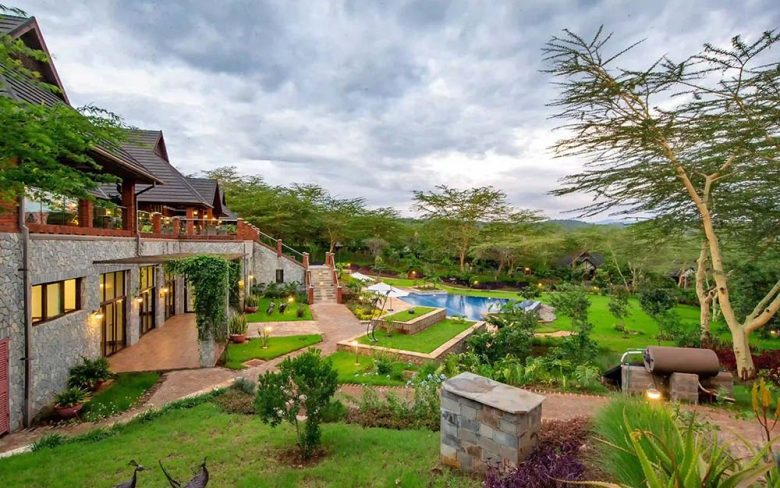
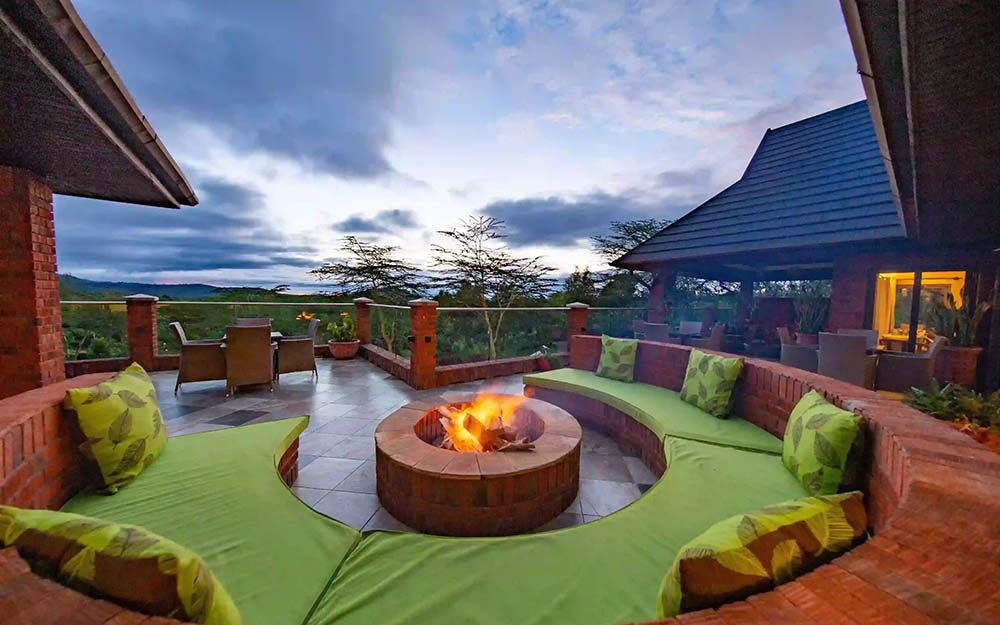
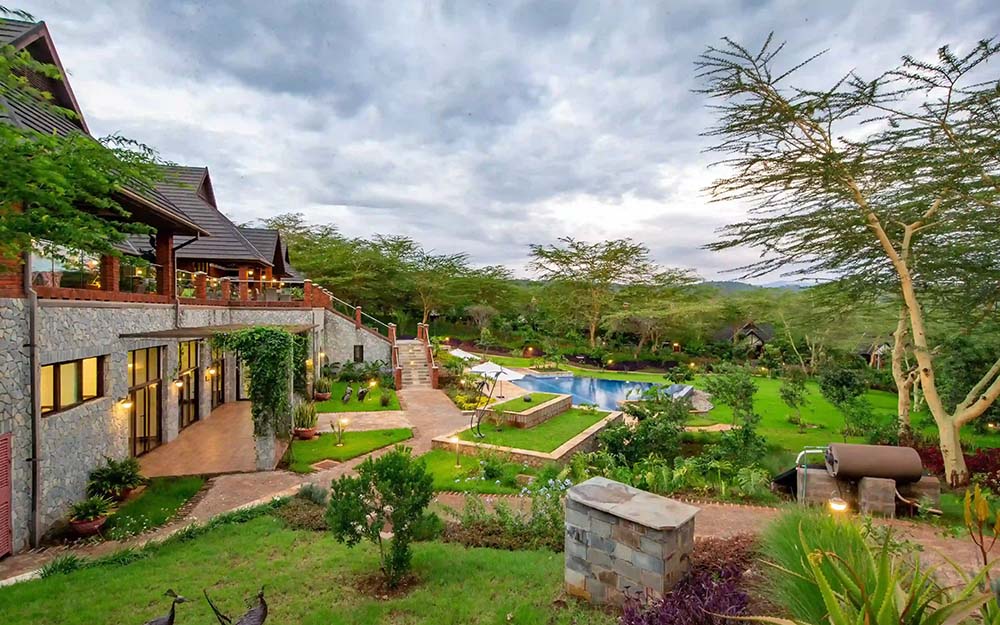
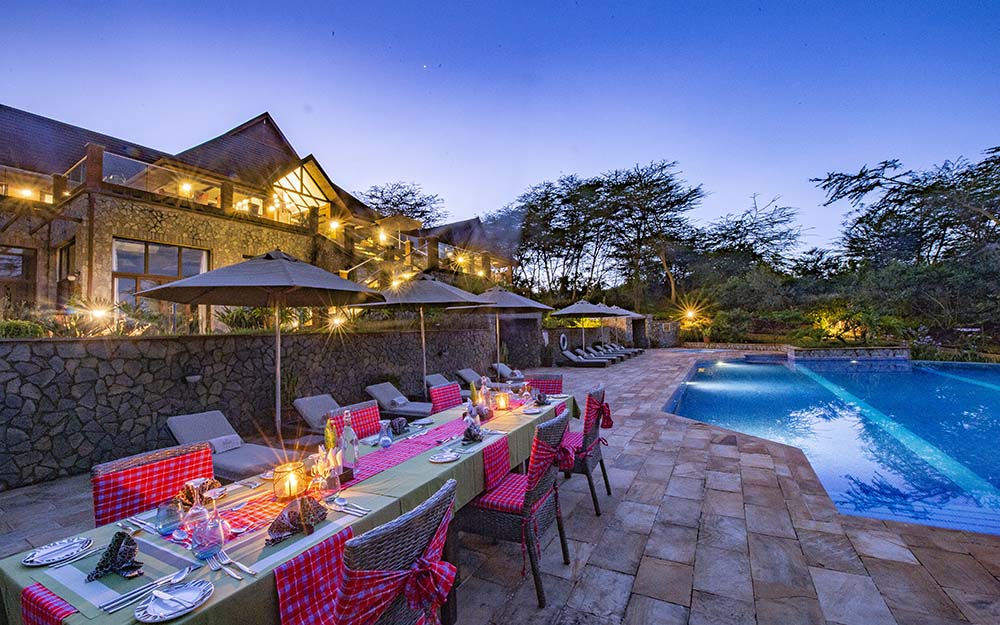
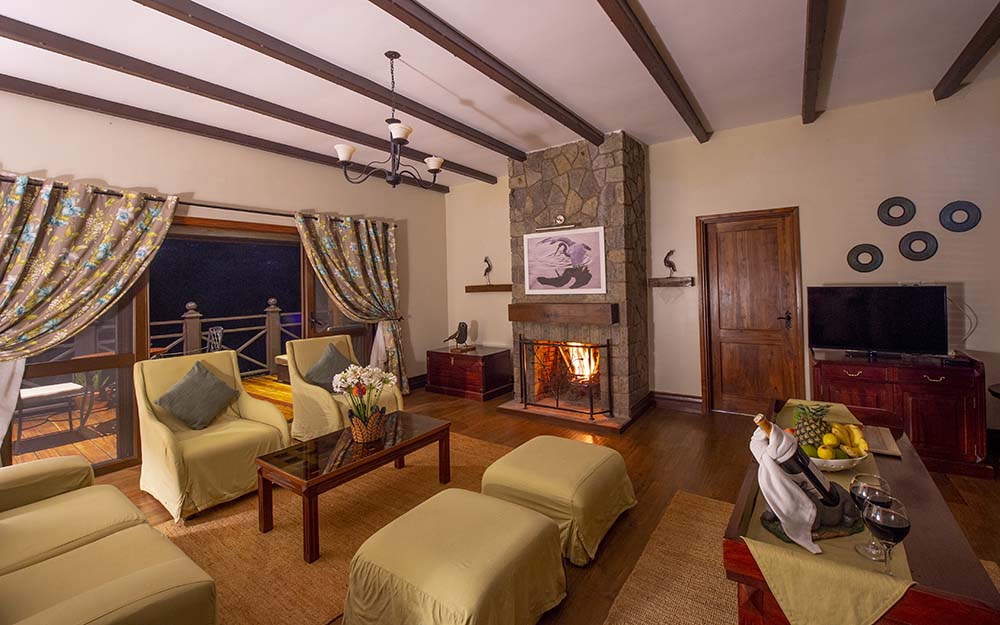
Our lodge, The Retreat at Ngorongoro, is on a private estate in the Tloma area of Karatu, 20 to 30 minutes from Lodoare Gate. It has 30 standalone villas with fireplaces and private decks, an infinity pool, Oasis Spa, gardens and a 1.5 km walking trail, with full board or all-inclusive stays. Families can book linked and two-bedroom villas; see our family stays.
How the crater fits into a safari
- 3 days: Tarangire, Lake Manyara and the Ngorongoro Crater, sleeping in Karatu. See our 3-day safari guide.
- 5 to 7 days: Tarangire, Lake Manyara, the Ngorongoro Crater and the Serengeti, with two nights in Karatu.
- 8 days or more: add the Ndutu plains, Lake Eyasi, Olduvai Gorge or a beach stay on Zanzibar.
The crater sits between Lake Manyara and the Serengeti, so most itineraries visit it either on the way into the Serengeti or on the way out. The drive from the crater to central Serengeti takes five to six hours with game viewing.
Packing for a crater day
- A warm fleece or jacket for the rim at dawn, and layers for the warm floor.
- Binoculars, ideally one pair per person, for rhino and distant sightings.
- A camera with a zoom lens and spare batteries; dust protection in the dry season.
- Sun hat, sunscreen and sunglasses.
- Water and snacks; your lodge will usually provide a packed lunch.
- A scarf or buff against dust.
Questions about the Ngorongoro Crater
Is the Ngorongoro Crater worth visiting?
Yes. It offers the most reliable big-game viewing in East Africa in a single morning, including a good chance of black rhino, in one of the world’s most dramatic settings. It can be busy in the dry season, so go early and plan with your guide.
How long should I spend in the Ngorongoro Crater?
One game drive of up to about six hours is enough for most visitors. Plan two nights nearby so the crater day is not rushed.
Can you see the Big Five in the Ngorongoro Crater?
Yes. Lion, buffalo and elephant are seen on almost every visit, black rhino on many days, and leopard occasionally.
Why are there no giraffes in the Ngorongoro Crater?
The floor has few tall trees for browsing and the steep walls are hard for giraffes to climb down, so they stay in the highlands and surrounding areas.
How much does it cost to visit the Ngorongoro Crater?
Based on 2026 rates, expect about US$71 per adult conservation fee for each 24 hours in the area, plus about US$295 per vehicle for the crater descent, before your guide, vehicle and accommodation.
What is the best month to visit the Ngorongoro Crater?
June to October for dry weather and easy viewing; January and February for green scenery, fewer vehicles and calving on the nearby Ndutu plains.
How far is the Ngorongoro Crater from Arusha?
About 180 to 190 km, or roughly 3.5 to 4 hours by road to the crater rim. Small planes also fly to the Lake Manyara airstrip, about 1.5 hours’ drive from the crater floor.
Where is the best place to stay for the Ngorongoro Crater?
For one night, the crater rim. For two or more nights, Karatu, which is warmer, has more space and avoids the nightly concession fee.
Planning your crater day? Check availability at The Retreat at Ngorongoro, 20 to 30 minutes from the gate.