
The Serengeti and the Ngorongoro Crater are the two most famous wildlife areas in Tanzania, and they are very different. The Ngorongoro Crater is compact and reliable: in one morning you can see lion, elephant, buffalo, hyena and quite possibly black rhino, inside a ring of volcanic walls. The Serengeti is vast and wild: endless plains, big cats and, depending on the season, the Great Migration. If you can, visit both. If you must choose, this guide explains which suits your trip.
Serengeti vs Ngorongoro at a glance
| Ngorongoro Crater | Serengeti National Park | |
|---|---|---|
| Size | Crater floor about 260 km² | About 14,750 km² |
| Landscape | Caldera floor ringed by 600 m walls | Endless plains, kopjes, woodland, rivers |
| Time needed | One game drive of up to about six hours | Ideally three nights or more |
| Wildlife highlights | Black rhino, lion, elephant bulls, buffalo, hyena, flamingos | Big cats, the Great Migration, huge herds |
| Rhino | Best chance in northern Tanzania | Possible in some areas, rarely seen |
| Migration | No; resident wildlife all year | Yes; location changes through the year |
| Crowds | Concentrated in a small area, busy in peak season | Spread out, though busy at river crossings and Seronera |
| Getting there | 20 to 40 minutes from Karatu to the gate | 5 to 7 hours by road from Karatu, or fly |
| Main fees | Conservation fee per person plus crater fee per vehicle | Daily park fee per person |
Why visit the Ngorongoro Crater
- Reliability: around 25,000 large animals live on the crater floor year round, so sightings do not depend on the season.
- Rhino: the crater has a small, closely guarded population of black rhino, the best chance in northern Tanzania.
- Short and easy: a single morning gives a remarkable variety of wildlife, ideal for families and short trips.
- Setting: the view from the rim and the scale of the caldera are unforgettable.
Downsides: vehicles are concentrated in a small area, so big sightings can be busy; time on the floor is limited; and you are on fixed tracks. Read our complete Ngorongoro Crater guide.
Why visit the Serengeti
- Scale: the plains stretch to the horizon; it feels wild in a way the crater cannot.
- Big cats: excellent lion, leopard and cheetah viewing, especially around Seronera and the kopjes.
- The Great Migration: calving in the south from about December to March, river crossings in the north from about July to October.
- Variety: different regions, camps and experiences, including hot-air balloon flights.
Downsides: it takes time and money to reach; distances inside the park are long; and the migration is never guaranteed in a specific spot.
Which is better for you?
| You are… | Choose |
|---|---|
| Short on time (2 to 3 days) | Ngorongoro Crater, with Tarangire and Lake Manyara |
| Keen to see a rhino | Ngorongoro Crater |
| Travelling with young children | Ngorongoro Crater for short drives; add the Serengeti if children cope with longer days |
| Dreaming of the Great Migration | Serengeti, timed to the season |
| A photographer or big-cat lover | Serengeti, ideally with the crater too |
| Wanting wilderness and space | Serengeti |
| On a tighter budget | Crater from Karatu; flights and longer stays in the Serengeti add cost |
How to visit both
The crater sits on the road between Lake Manyara and the Serengeti, so combining them is easy.
- 5 days: Tarangire, Ngorongoro Crater from Karatu, two nights in the Serengeti.
- 7 days: Tarangire, Lake Manyara, two nights in Karatu with a crater day, three nights in the Serengeti.
- Crater on the way in or out: many itineraries do the crater before the Serengeti; some do it on the way back to give a strong finish.
Read our guide to the Ngorongoro to Serengeti drive.
Costs compared
The crater carries a conservation fee per person for each 24 hours in the conservation area, about US$70.80 per non-resident adult at 2026 rates, plus a crater service fee of about US$295 per vehicle for each descent. The Serengeti charges a daily park fee per person, and lodges and camps inside both areas add concession fees. Staying in Karatu for the crater avoids the nightly concession fee. See Ngorongoro fees explained and what a safari costs.
Best time for each
| Months | Ngorongoro Crater | Serengeti |
|---|---|---|
| December to March | Green, fewer vehicles | Calving in the south (Ndutu) |
| April to May | Quiet, lush, some mud | Long rains; herds moving north-west; some camps close |
| June to July | Dry, clear, getting busy | Western corridor and Grumeti; herds heading north |
| July to October | Dry and busy | River crossings in the north |
| November | Short rains, quieter | Herds return south through the east |
See our Ndutu calving guide and Ngorongoro weather by month.
Where to stay
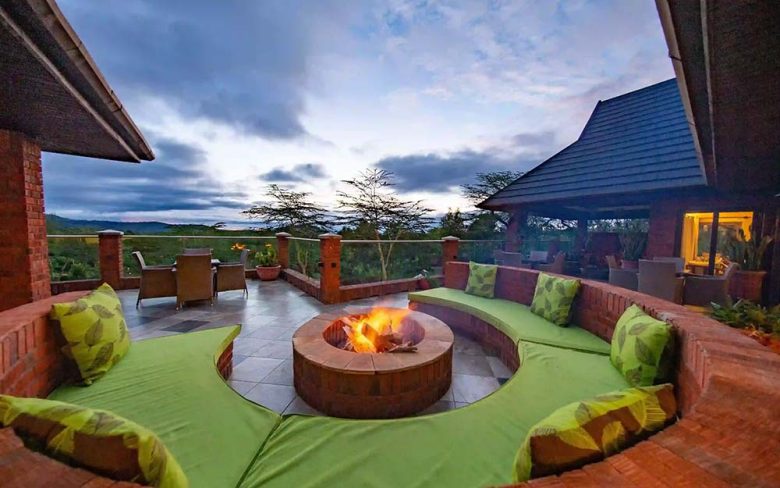
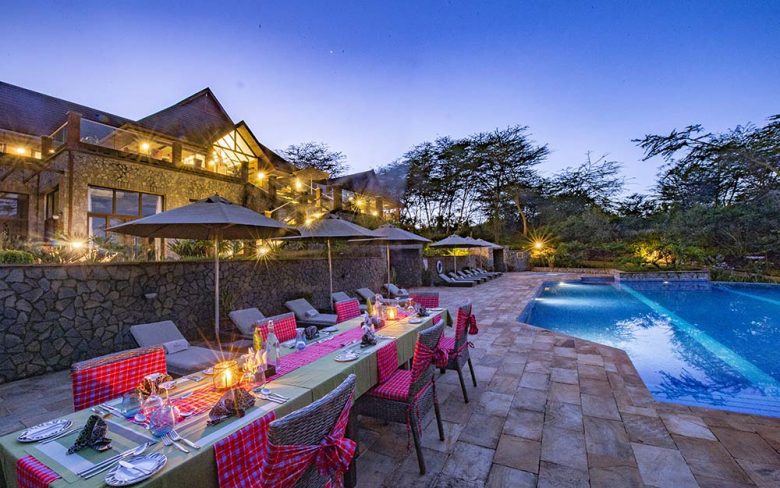
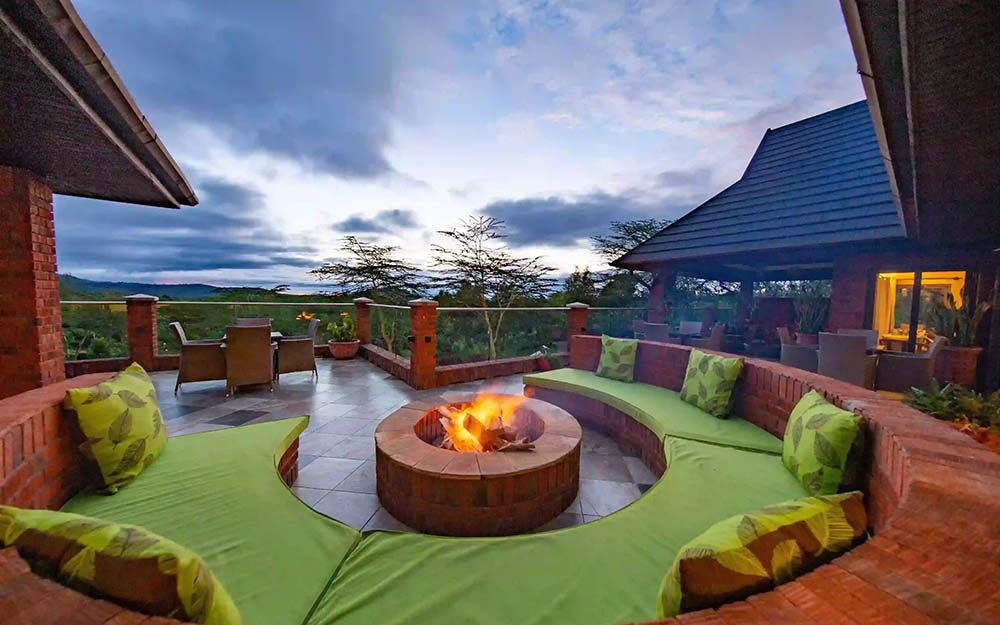
For the crater, choose between the rim, for the earliest descent, and Karatu, for warmth, space and value. Our lodge, The Retreat at Ngorongoro, is in the Tloma area of Karatu, 20 to 30 minutes from the gate, and a comfortable stop before or after the Serengeti. See our villas or read where to stay near Ngorongoro Crater.
Questions about Serengeti vs Ngorongoro
Is the Serengeti or Ngorongoro better?
They are different. The crater is compact and reliable, with the best rhino chance; the Serengeti is vast and wild, with the migration. Most travellers visit both.
Can you see the Big Five in the Ngorongoro Crater?
Lion, buffalo and elephant are seen on almost every visit, black rhino on many days and leopard occasionally.
How many days do you need for the Serengeti and Ngorongoro?
At least five days: one for the crater and two to three nights in the Serengeti, plus travel.
Is the Great Migration in the Ngorongoro Crater?
No. The migration moves through the Serengeti and the Ndutu plains of the wider conservation area, not the crater floor.
Which is cheaper, Serengeti or Ngorongoro?
A crater day from Karatu is usually cheaper than adding Serengeti nights, which involve long drives or flights and camp concession fees.
Planning both? Check availability for your crater nights in Karatu.