
Planning a safari in Tanzania is easier than it looks once you take it in the right order. Pick your season first, then your route, then the people who will run it. The paperwork comes last, but it has a few new traps, including a mandatory government travel insurance policy introduced in October 2026.
This checklist walks you through how to plan a safari in Tanzania step by step, from 12 months out to the night before you fly. It is written from Karatu, in the middle of the northern safari circuit, and links to our detailed guides wherever you need more.
Your Tanzania safari planning timeline
| When | What to do |
|---|---|
| 9 to 12 months out | Choose your month and route; shortlist operators and lodges, especially for July to September and Christmas |
| 6 to 9 months out | Book your operator, lodges and international flights; check passport validity |
| 3 months out | Check vaccinations and malaria advice with a travel clinic; buy your own travel insurance |
| 1 to 2 months out | Apply for your visa if you need one; confirm room types, diets and celebrations with lodges |
| 2 weeks out | Buy Tanzania’s mandatory travel insurance; check your operator’s latest entry advice |
| The week before | Pack, download documents, get clean US dollar notes for tips, tell your bank you are travelling |
Step 1: Choose your month
Tanzania works year-round, but each season gives you a different trip.
- June to October: the dry season. Easy game viewing, cool highland nights, the most vehicles.
- November and December: the short rains. Green and fresh, with showers that usually pass quickly.
- January to March: calving season in the southern Serengeti and Ndutu. Warm days, fewer crowds than July.
- April and May: the long rains. The quietest, greenest and often cheapest time; some roads get muddy.
Read our month-by-month guides, starting with a Tanzania safari in January, and our Ngorongoro weather guide.
Step 2: Choose your parks and route
Most first safaris use the northern circuit: Tarangire, Lake Manyara, the Ngorongoro Crater and the Serengeti, with Lake Eyasi or Olduvai Gorge for culture and history. Five to seven days covers the main parks without rushing. See our sample itineraries from 3 to 10 days and our Serengeti vs Ngorongoro comparison.
Step 3: Set a realistic budget
Park fees are a large and fixed part of the cost, and the Ngorongoro Crater adds a separate vehicle descent fee. Your lodge choice and the number of days decide most of the rest. Read how much a Tanzania safari costs and Ngorongoro fees explained.
Step 4: Choose an operator
In Tanzania, nearly every safari runs with a licensed operator who supplies the vehicle and guide. Check that they hold a TALA licence, ask who your guide will be, ask about the vehicle (pop-up roof, window seats for everyone) and get a clear list of what is included. See our list of safari companies in Tanzania.
Step 5: Choose where you sleep
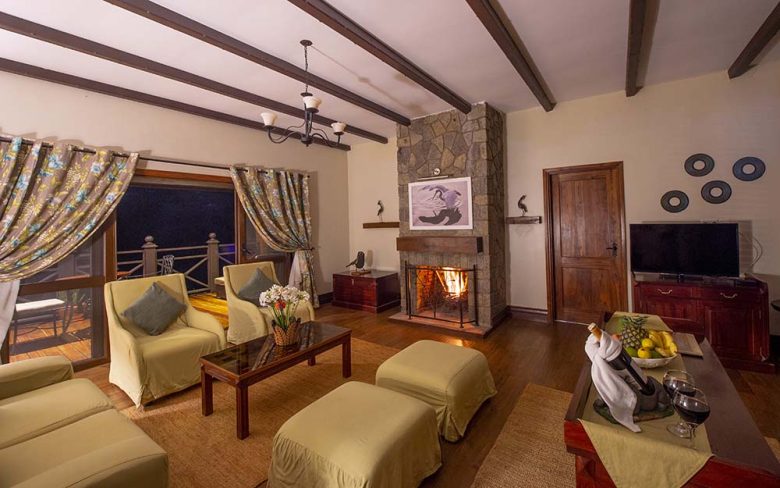
The big decision around the crater is whether to stay on the rim or in Karatu. The rim gets you to the crater floor earlier; Karatu costs less, sits outside the conservation area and is central for Manyara, Eyasi and rest days. Read crater rim vs Karatu, where to stay near Ngorongoro and safari lodge vs tented camp.
Step 6: Sort your documents
| Document | What you need to know |
|---|---|
| Passport | Valid for at least six months after you arrive, with blank pages |
| Visa | Most nationalities need one; apply online through the official immigration e-visa portal. See our Tanzania visa guide |
| Mandatory travel insurance | US$44 per adult government policy since 1 October 2026. See our mandatory insurance guide |
| Your own travel insurance | With medical evacuation and cancellation cover |
| Yellow fever certificate | Needed if you arrive from, or transit for a long stop through, a country with yellow fever risk |
Step 7: Health
See a travel clinic about eight weeks before you go. Malaria is present in much of Tanzania, so ask about tablets and pack repellent. The highlands around Karatu and the crater rim are cooler, but the sun at altitude is strong. Read our honest guide to safety in Tanzania.
Step 8: Money
- Carry clean, recent US dollar notes for tips and small purchases; older or torn notes are often refused.
- Cards are widely accepted at lodges. Our lodge is fully cashless: pay by card or bank transfer.
- Tell your bank before you travel so card payments in Tanzanian shillings are not blocked.
- Agree how tips for your guide are handled before the trip; your operator can advise.
Step 9: Pack
Soft bags, layers for cold mornings, neutral colours, binoculars and a dust cover for your camera. Light aircraft have strict baggage limits. Use our full safari packing list.
Step 10: Tell your lodges what you need
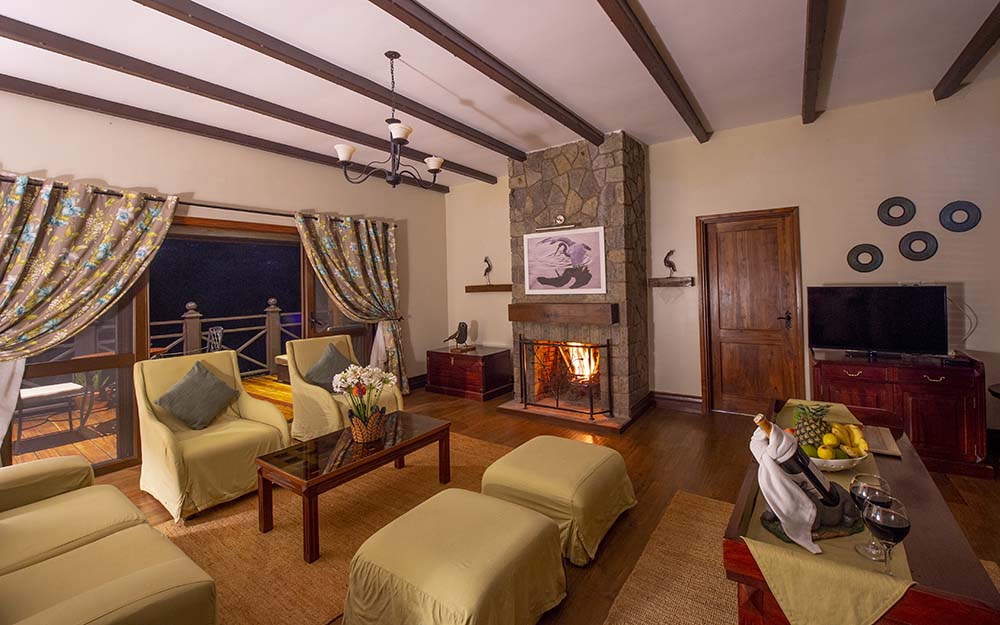
Diets, allergies, celebrations, children’s ages and arrival times all help. We cater for vegan, gluten-free and allergy diets, and our dining team plans ahead when you tell us early.
Northern Tanzania safari checklist: the short version
- Month chosen and route agreed
- Operator booked, with guide and vehicle confirmed
- Lodges booked, room types confirmed
- Flights booked
- Passport valid six months
- Visa approved (if needed)
- Mandatory insurance certificate for every traveller
- Own travel insurance
- Travel clinic visit done
- US dollars, card, bank told
- Packing done, bags soft and within limits
Frequently asked questions
How far in advance should I plan a Tanzania safari?
For July to September and the Christmas holidays, start 9 to 12 months ahead. For other months, 4 to 6 months is usually enough.
What is the best month for a first safari in Tanzania?
June to October is the easiest for game viewing. January and February are excellent for the calving season and are less crowded.
Do I need a tour operator?
Almost all visitors use one. Self-driving is possible but the roads, fees and rules make an operator the easier and safer choice.
What documents do I need for Tanzania?
A passport valid for six months, a visa for most nationalities, Tanzania’s mandatory travel insurance certificate and, if your route requires it, a yellow fever certificate.
How many days do I need?
Five to seven days covers the main northern parks. Three days covers Tarangire, Manyara and the Ngorongoro Crater.