
Mto wa Mbu is the busy market town at the foot of the Rift Valley escarpment, right beside the entrance to Lake Manyara National Park. Almost every safari heading to Ngorongoro or the Serengeti drives through it. Few stop for long, which is a shame. A two to three-hour village tour here is one of the easiest and most rewarding cultural experiences in northern Tanzania: banana farms, rice paddies, woodcarvers, a lively market, home-cooked food and, if you like, a taste of the local banana beer.
This guide explains what Mto wa Mbu is, what a village tour includes, how to make it feel real rather than like a shopping stop, and how to fit it into a safari based in Karatu.
What is Mto wa Mbu?
The name means “river of mosquitoes” in Swahili, after the streams that flow down from the escarpment and the wetlands around Lake Manyara. Those streams are the town’s lifeline. They feed irrigation channels that water banana groves, rice paddies and vegetable plots, turning a patch of dry Rift Valley floor into one of the greenest farming areas in the region.
Mto wa Mbu grew as people moved here from across Tanzania to farm and trade. The town is often described as home to people from around 120 different ethnic groups, which makes it one of the most mixed communities in the country. You hear Swahili spoken alongside many other languages, and you see that mix in the food, the crafts and the market stalls.
The town is also famous for its bananas. Many varieties grow here, including the small red bananas you will see piled high at roadside stalls, along with green cooking bananas used in stews and the varieties brewed into banana beer.
What a Mto wa Mbu village tour includes
Tours are run by the town’s community cultural tourism programme and by local guides. Most last two to four hours, on foot, by bicycle or by tuk-tuk. A small fee goes to community projects. A typical tour includes several of the following.
Banana farms and banana beer
Your guide walks you through the banana groves and explains how the different varieties are grown and used. Many tours stop at a small home brewery where ripe bananas are mashed and fermented, often with a grain such as millet, into a cloudy, slightly sour beer. It is an acquired taste. If you try it, a sip from a freshly made batch is enough for most people.
Rice paddies and irrigation
The walk often follows the irrigation canals into the rice fields, where you can see farmers planting, weeding or harvesting depending on the season. It is a good place to understand how a whole town lives off a few mountain streams.
Woodcarvers and artists
Mto wa Mbu has workshops where carvers make Makonde-style sculptures from hardwood, and studios selling Tingatinga paintings, the bright, playful animal art that started in Dar es Salaam in the 1960s. You can watch artists at work and buy directly from them.
The market
The central market sells red bananas, spices, rice, fabrics and household goods every day. A larger Maasai market, where herders bring livestock and traders sell clothing and crafts, is usually held on Thursdays and on a fixed day each month, often the 22nd. Ask your guide, as days can change.
A home-cooked lunch
Many tours end with a simple lunch cooked by a local family: rice, beans, greens, ugali, plantain stew and fruit. It is one of the best-value meals of a safari and a good chance to ask questions.
Miwaleni waterfall and Balaa Hill
Longer tours can add a walk to Miwaleni, a small lake and waterfall at the foot of the escarpment with old baobab trees nearby, or a climb up Balaa Hill for views over the town, Lake Manyara and the Rift Valley wall.
How to make the tour feel real
The most common complaint about Mto wa Mbu tours is that they can turn into a string of shop visits. The fix is simple: talk to your guide before you start.
- Say what you want. If you want farms, cooking and conversation rather than curio shops, say so at the start.
- Go early or late. The valley floor is much hotter than Karatu. Morning or late afternoon walks are far more comfortable.
- Choose bikes or a tuk-tuk if walking in the heat does not appeal. Both cover more ground.
- Buy from makers. If you want a carving or painting, buying from the person who made it puts money where it belongs.
- Ask before photos of people and homes, and accept a no.
- Carry small notes in Tanzanian shillings for snacks, crafts and tips.
Is the Mto wa Mbu tour touristy?
Partly, and it helps to go in with the right expectations. The town receives many safari groups, so some stops are well practised, and the home-cooked lunch can feel set up for visitors. Guides and families are also hosting group after group, which can show on a busy day.
What most visitors value is the guide. A knowledgeable local guide who walks you through the banana groves and paddies, introduces you to farmers and answers questions honestly turns the tour into a real conversation. The banana plantation walk is often the highlight. The best way to keep it real is to say at the start that you want farms and people, not shops, and to go early before the heat and the crowds.
Walk, cycle or tuk-tuk?
| Option | Good for | Keep in mind |
|---|---|---|
| On foot | Meeting people, farm detail, photos | Hot by late morning; covers less ground |
| Bicycle | Rice paddies, Miwaleni, longer loops | Flat and easy, but sunny; ask for a bike that fits |
| Tuk-tuk | Families, heat, seeing more in less time | Less contact with farmers along the way |
How to fit Mto wa Mbu into your safari
Mto wa Mbu sits between Tarangire, Lake Manyara and Karatu, so it slots easily into most northern Tanzania itineraries.
- On the way in: stop for a two-hour tour and lunch on the drive from Arusha or Tarangire to Karatu.
- With Lake Manyara: do a morning game drive in the park, then a village tour and lunch in town.
- On a rest day: from a Karatu base, it is only 30 to 40 minutes down the escarpment.
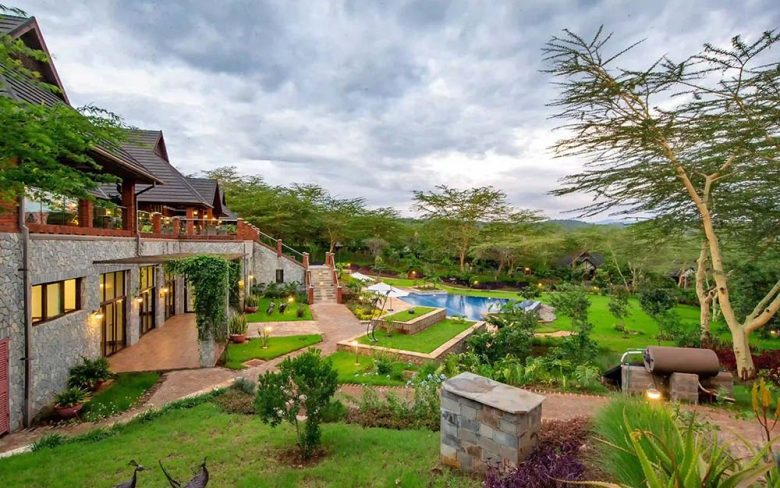
From our lodge in the Tloma area of Karatu, Mto wa Mbu and Lake Manyara are an easy half-day trip, and you are back for the pool or spa by mid-afternoon. For more ideas near the lodge, read our Karatu town guide or our guide to Lake Manyara National Park.
Practical tips
- Getting there: Mto wa Mbu is on the tarmac road from Arusha, about 2 hours from Arusha and 30 to 40 minutes from Karatu.
- Booking: ask your safari operator or lodge to arrange a guide, or book through the cultural tourism office in town.
- Cost: fees vary by tour length and activities. Ask for a price that includes the community fee, lunch and any bike or tuk-tuk hire.
- Heat and mosquitoes: wear a hat and sunscreen, drink plenty of water and use repellent, especially near the paddies in the late afternoon.
- Food and drink: stick to freshly cooked food and bottled water.
Questions about Mto wa Mbu
What does Mto wa Mbu mean?
It means “river of mosquitoes” in Swahili, after the streams and wetlands around the town.
What is Mto wa Mbu famous for?
Red bananas and many other banana varieties, banana beer, irrigated rice farms, woodcarving, a lively market and a mix of around 120 ethnic groups living side by side.
How long is a Mto wa Mbu village tour?
Most tours take two to four hours. A short walk with lunch fits easily into a day with a Lake Manyara game drive.
How far is Mto wa Mbu from Karatu?
About 30 to 40 minutes by road, down the Rift Valley escarpment.
Is Mto wa Mbu worth a stop?
Yes. It is one of the easiest ways to see everyday rural life in northern Tanzania, and a good break from long game drives.
Planning a stay near Lake Manyara and Ngorongoro? Check availability at our lodge in Karatu.