
A Tanzania family safari works best when it is built around children’s energy, not the longest possible list of parks. Northern Tanzania is one of the easiest places in Africa to do that: the parks are close together, the roads between them are mostly good, and the Ngorongoro Crater and Lake Manyara give big rewards in short game drives. With the right pace, lodges and guide, a safari can be the best family trip you ever take.
This guide covers the best age for a safari, a family-friendly route, choosing lodges and vehicles, health and safety, and how to keep everyone happy on the road.
What age is right for a family safari?
There is no perfect age, but children of about six and over usually get the most from a safari: they can sit through a game drive, spot animals themselves and remember the trip. Younger children can travel too, with shorter drives and more pool time.
- Under 6: keep drives to two or three hours, choose lodges with space and a pool, and check age policies. Some camps and activities have minimum ages.
- 6 to 12: the sweet spot. Children are curious, follow guides well and love checklists and binoculars.
- Teenagers: add walking, cultural visits, photography and adventure activities such as hikes or biking.
A family-friendly route through northern Tanzania
The classic northern circuit suits families because driving days can be kept short.
| Day | Plan | Why it works for families |
|---|---|---|
| 1 | Arrive in Arusha, rest | Recover from the flight |
| 2 | Tarangire game drive, continue to Karatu | Elephants and baobabs; finish at a lodge with a pool |
| 3 | Ngorongoro Crater | Big animals in one morning; back by mid-afternoon |
| 4 | Rest day in Karatu or Lake Manyara half-day | A break from the vehicle |
| 5 and 6 | Serengeti | Big plains and big cats |
| 7 | Fly back to Arusha, or on to Zanzibar | Avoids a long drive home |
Shorter trips can focus on Tarangire, Lake Manyara and the crater from a Karatu base. See our 3-day safari guide.
Choosing family-friendly lodges
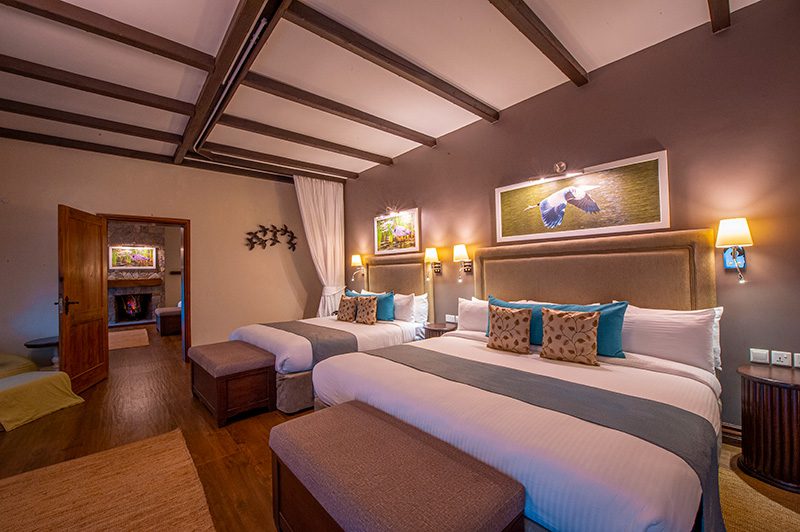
- Family rooms: connecting rooms, family suites or two-bedroom villas, so everyone sleeps close together.
- Space: a pool, lawns and short walks keep children busy in the afternoons.
- Food: flexible meal times and simple options; ask about allergies in advance.
- Safety: many lodges are unfenced, so ask for an escort after dark and keep children close.
- Warmth: the Ngorongoro rim is very cold at night; Karatu, below it, is milder.
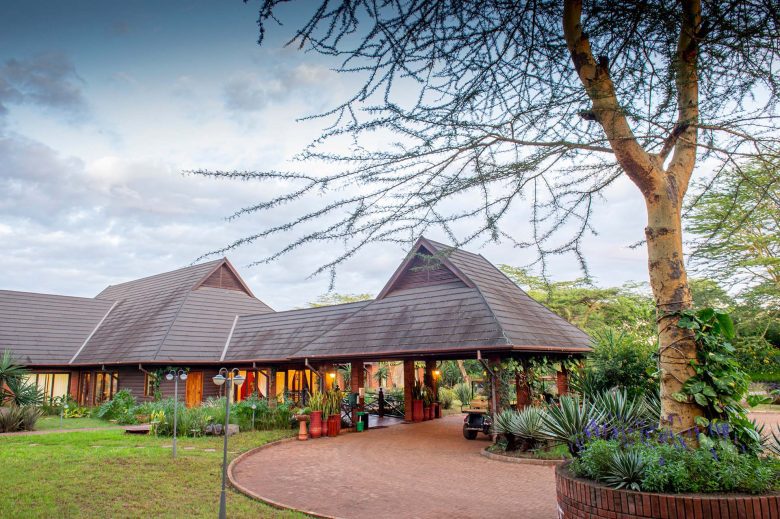
At our lodge in Karatu, families can choose Interconnected Villas for up to six, or Classic and Traditional Two-Bedroom Villas. There is an infinity pool, a tennis court, a walking trail, kayaking on a small lake, garden walks and a games area in the Nest Lounge. Children under 3 stay free, and there are reduced rates for children aged 3 to 15. See our family stays and our list of family-friendly lodges near Ngorongoro.
Vehicles and guides
- Go private. A private vehicle lets you stop when children need a break and leave sightings early if they get bored.
- Ask for a family-experienced guide. Good guides turn game drives into games, quizzes and stories.
- Child seats: ask your operator in advance if you need them.
Health and safety for children
- Malaria: talk to a travel doctor about tablets suitable for children’s ages and weights. Use repellent and long sleeves in the evening.
- Sun: high-factor sunscreen, hats and sunglasses; the sun is strong at altitude.
- Water and food: bottled or filtered water; stick to cooked food.
- Wildlife rules: explain them before you go. Stay seated, stay quiet, no hands out of windows, no wandering at unfenced lodges.
- Insurance: include medical evacuation.
Keeping children happy on safari
- Give each child binoculars and an animal checklist.
- Let them take photos with a cheap camera or old phone.
- Pack snacks, water and small games for the drives.
- Keep the afternoons free for swimming and play.
- Add culture: a village walk in Mto wa Mbu, a coffee farm visit or a walk with our gardeners. See our Karatu town guide.
- Do not over-plan. Two nights in each place is far calmer than moving every day.
Family packing list
- Layers for everyone: mornings are cool, especially on the Ngorongoro rim.
- Child-sized binoculars and a small camera.
- Snacks, refillable water bottles and wet wipes.
- Children’s sunscreen, hats, insect repellent suitable for their age and any regular medicines.
- A few small toys, cards or books for quiet times.
- Swimwear for lodge pools.
- Copies of passports and birth certificates; some countries’ rules require them when travelling with children.
Budgeting for a family safari
Families get better value than couples in some ways. One vehicle and guide is shared by everyone, and the Ngorongoro crater fee is charged per vehicle, so the cost per person falls with each extra traveller. Children’s park fees and lodge rates are also lower. At our lodge, under-3s stay free and children aged 3 to 15 sharing with two adults pay 50% of the per-person twin rate. Read how much a Tanzania safari costs for full examples.
Best time for a family safari
School holidays often fall in the busy June to August period, which is dry and great for game viewing but cool at night. The December holidays are green and warm but busy around the festive dates. February half-term is a lovely time, with calving on the Ndutu plains. Easter can fall in the long rains, with lower prices and more mud.
Questions about family safaris in Tanzania
Is Tanzania good for a family safari?
Yes. The northern parks are close together, game viewing is excellent, and many lodges cater well for families.
What is the best age for a safari?
Around six and older is ideal, but younger children can travel with shorter drives and plenty of downtime.
Is the Ngorongoro Crater suitable for children?
Very. The animals are close and plentiful, and the game drive is a single morning. Pack warm layers for the rim.
How long should a family safari be?
Five to eight days works well, with two nights in each place and at least one rest afternoon.
Planning a family trip? Check availability for our family villas.