
The Ngorongoro Crater is one of the easiest places in Africa to photograph big animals and one of the hardest to photograph well. The animals are used to vehicles and often close, but the light on the floor turns harsh by mid-morning, the dust is constant, and at the popular sightings you will be one of many vehicles. Good Ngorongoro photography comes down to timing, position and preparation.
This guide covers the best times and places in the crater for photographs, what gear to bring, settings that work, the rules you need to know, and what to shoot around Karatu on the days in between. It is written by The Retreat at Ngorongoro in Karatu, 20 to 30 minutes from the conservation area gate.
Know the rules first
- Gates open at 6 am and close at 6 pm. The Seneto descent road closes earlier, at 4 pm.
- The Seneto road is for going down, the Lerai road is for coming up, and the Lemala road is used both ways.
- Time on the crater floor is generally limited to about six hours per game drive.
- Stay in the vehicle except at designated picnic and toilet sites.
- Stay on the tracks. Off-road driving is not allowed.
- Drones need permits from the aviation and conservation authorities. Do not fly one without them.
The rules are printed on your entry permit. Check them with your guide on the day. Read our Ngorongoro fees guide too.
Best time of day for photos
The best light on the crater floor is from soon after sunrise to about 8:30 am, when lions are still active, rhinos are more likely to be out in the open and the walls glow. By late morning the light is flat and hazy. Late afternoon light is good again, but you need to be climbing out before the gates close.
From Karatu, an early start gets you through Lodoare Gate when it opens. Guests staying on the rim reach the floor first; from Karatu you will arrive a little later. Some photographers prefer an afternoon descent instead, when many vehicles have left. Read crater rim vs Karatu for the honest trade-offs.
Where to shoot in the crater
| Area | What to photograph | Tip |
|---|---|---|
| The rim viewpoints | The whole caldera from above, morning mist | Stop on the way down; the view is gone once you are on the floor |
| Lake Magadi | Flamingos, waders, reflections | Use a long lens; flamingo numbers vary with water levels |
| Gorigor Swamp | Hippos, elephants, buffalo, birds | Rhino are sometimes seen on the open ground nearby |
| Open grasslands | Lions, hyenas, zebra and wildebeest | Low angles from the window make the best portraits |
| Lerai Forest | Elephant bulls under yellow fever trees | Good shade and texture; expose for the highlights |
| Ngoitokitok Spring | Hippos, birdlife, picnic site | Watch for black kites diving for food |
| The crater walls | Landscapes with animals for scale | Use a wider lens for context shots |
Black rhino are usually seen at a distance. A 400 mm or longer lens, or a bridge camera with a strong zoom, makes a big difference. Read our guide to the animals of Ngorongoro Crater.
What gear to bring
- A long zoom, 100 to 400 mm or similar, for most wildlife.
- A wider lens, 24 to 70 mm, for landscapes and the rim.
- Two bodies, or a second camera, so you do not change lenses in the dust.
- A bean bag to rest on the window frame or roof. Tripods are not practical in a vehicle.
- Plenty of batteries and memory cards. Most lodges, including ours, have reliable power for charging.
- Dust protection: a rain cover or a cloth, a blower and lens wipes.
- Binoculars to spot subjects before you lift the camera.
Settings that work
| Situation | Starting point |
|---|---|
| Animals moving or birds in flight | Shutter 1/1600 s or faster, continuous autofocus, burst mode |
| Still animals in good light | 1/500 s, aperture around f/5.6 to f/8 |
| Early morning or low light | Raise ISO rather than drop the shutter speed below 1/250 s |
| Bright sky behind the animal | Expose for the animal, or add positive exposure compensation |
| Landscapes from the rim | f/8 to f/11, focus a third into the scene |
Get the vehicle right
Ask your operator for a vehicle with a pop-up roof and a window seat for every photographer. Ask your guide to turn the engine off for shots, and to position the vehicle with the sun behind you. Share the roof hatch fairly with other guests; the best photos often come from the lowest window, at the animal’s eye level.
Photographing people
Always ask before photographing anyone, including Maasai herders by the roadside, and agree any fee first. At Lake Eyasi, follow your guide’s lead during visits to the Hadzabe and Datoga. Read our Hadzabe visitors’ guide.
Photography around Karatu
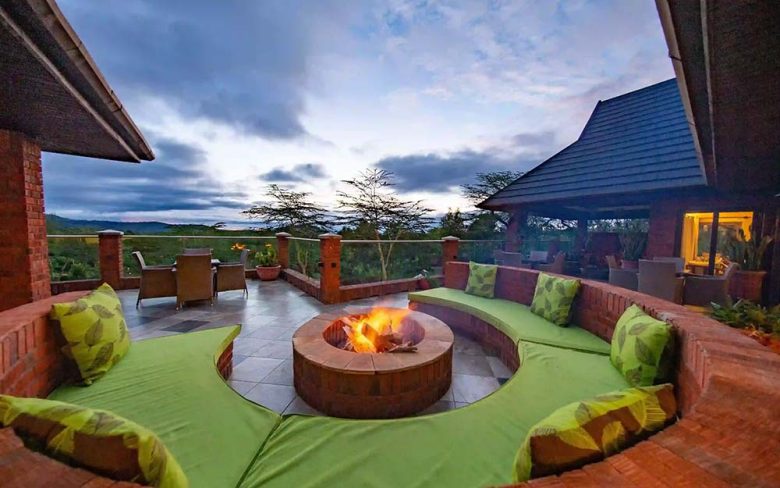
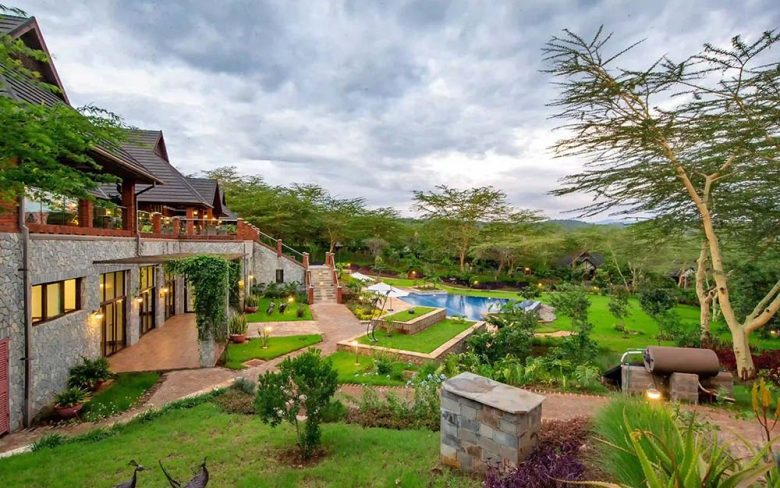
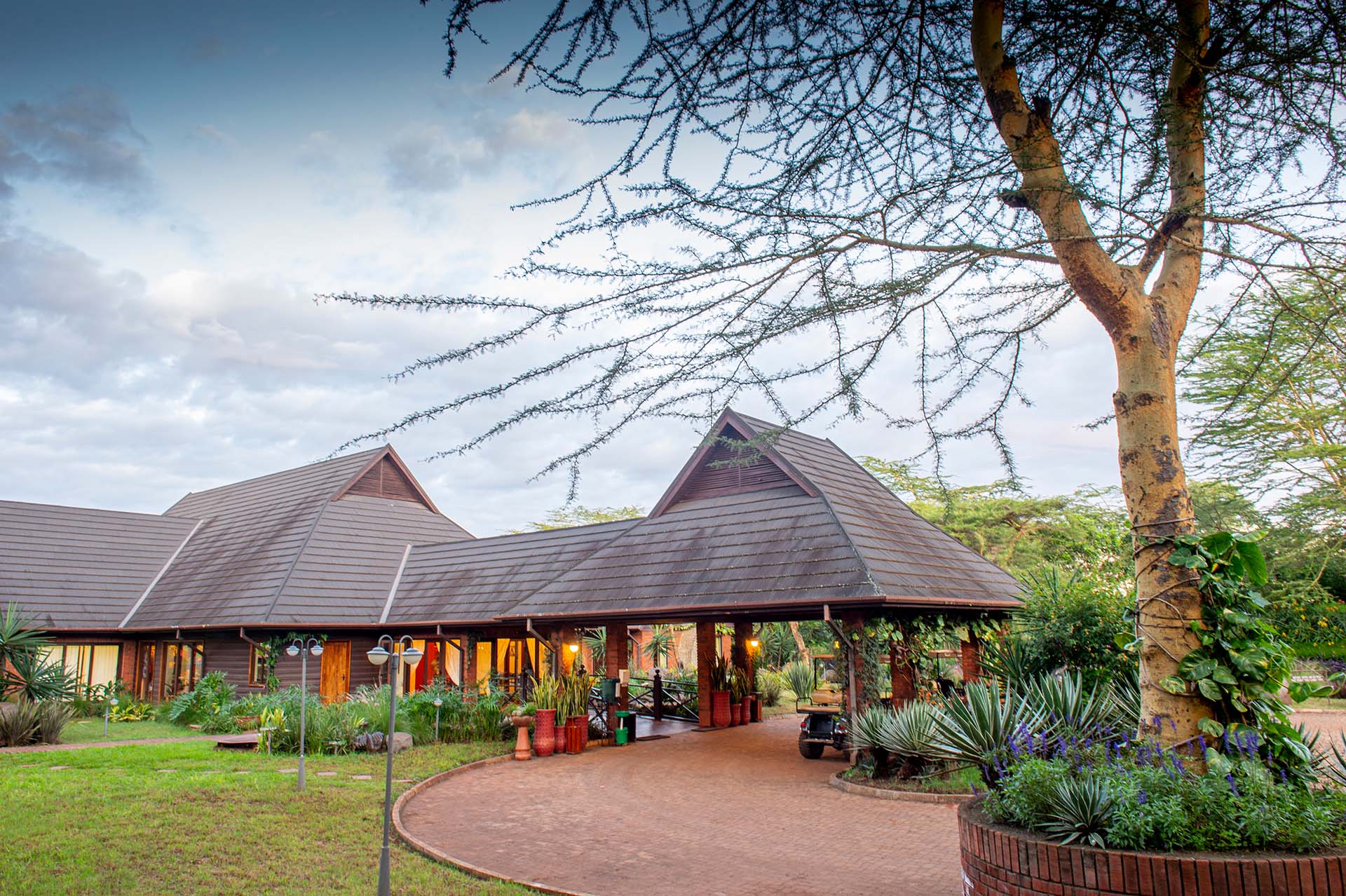
The days between game drives are good for a different kind of photo. At our lodge, the unfenced estate beside the Ngorongoro Forest brings birds right up to the villas, and the man-made lake is good for birds in the late afternoon. The Endoro Falls hike gives you forest, waterfall and the elephant caves, and the Karatu market on the 7th and 25th of the month is full of colour, as long as you ask first. See things to do in Karatu.
Best months for photography
June to October brings dry, clear air but more dust and vehicles. The green season, from November to May, brings dramatic skies, greener backgrounds and newborn animals, with fewer vehicles in April and May. Read our Ngorongoro weather guide.
Frequently asked questions
What is the best lens for the Ngorongoro Crater?
A 100 to 400 mm zoom covers most wildlife. Add a wider lens for landscapes and the rim, and a longer lens if rhino are a priority.
What time is best for photos in the Ngorongoro Crater?
From soon after sunrise to about 8:30 am. Gates open at 6 am, so an early start is worth it.
Can I fly a drone in the Ngorongoro Crater?
Not without permits from the aviation and conservation authorities. Without them, leave it at home.
Can I get out of the vehicle to take photos?
Only at designated picnic and toilet sites. Everywhere else you must stay in the vehicle.
How long can I stay on the crater floor?
Game drives on the crater floor are generally limited to about six hours, and all vehicles must leave before the gates close at 6 pm.