
A 3-day safari to Tarangire, Lake Manyara and the Ngorongoro Crater is the best short safari in northern Tanzania. In three days you see three very different places: Tarangire’s elephants and baobabs, Lake Manyara’s forest and birdlife, and the Ngorongoro Crater’s dense big game, including a good chance of black rhino. All three are within easy reach of Karatu, so you can sleep in one lodge for two nights and avoid packing up every morning.
This guide gives a day-by-day itinerary, alternatives, costs, the best time to go and tips for getting the most from three days.
3-day safari at a glance
| Day | Park | Highlights | Overnight |
|---|---|---|---|
| 1 | Tarangire National Park | Elephant herds, baobabs, lions, birds | Karatu |
| 2 | Ngorongoro Crater | Lion, rhino, elephant, buffalo, hyena, flamingos | Karatu |
| 3 | Lake Manyara National Park | Forest, baboons, flamingos, tree-climbing lions (sometimes) | Return to Arusha |
Day-by-day itinerary
Day 1: Arusha to Tarangire, then Karatu
Leave Arusha early, around 6:30 to 7:00 AM, and drive about 2 to 2.5 hours to Tarangire National Park. Spend the day game driving along the Tarangire River, where elephants gather in large numbers, especially in the dry season. Ancient baobab trees, lions, giraffes, zebras and hundreds of bird species make Tarangire a beautiful first park. Picnic lunch in the park, then drive about 1.5 to 2 hours to Karatu, arriving late afternoon.
Day 2: Ngorongoro Crater
Leave Karatu around 5:30 AM with a packed breakfast. Clear Lodoare Gate when it opens at 6:00 AM, climb to the rim and descend into the crater. Spend up to about six hours on the crater floor looking for lion, black rhino, elephant bulls, buffalo, hyena, hippo, wildebeest, zebra and flamingos on Lake Magadi. Picnic lunch at a designated site, then climb out and return to Karatu by mid-afternoon for a swim or massage. Read our complete Ngorongoro Crater guide.
Day 3: Lake Manyara, then Arusha
After breakfast, drive about 30 minutes to Lake Manyara National Park. Explore the groundwater forest with its baboon troops and blue monkeys, then the floodplains and lake shore, with flamingos, pelicans, giraffes and elephants. With luck, you might see lions resting in the trees. Leave the park around lunchtime, perhaps stopping in Mto wa Mbu, and drive about 2 hours back to Arusha. Read our Lake Manyara guide.
Alternative versions
- Manyara first: do Lake Manyara on Day 1 (closer to Arusha, shorter day), the crater on Day 2 and Tarangire on Day 3 on the way back.
- Two crater visits: skip Manyara and add an afternoon crater descent, paying the vehicle fee twice.
- Culture instead of a park: swap Lake Manyara for a Mto wa Mbu village tour, a coffee farm or Endoro Falls. See our Endoro Falls guide.
- Fly in: fly from Arusha to the Lake Manyara airstrip to save time on Day 1. See Lake Manyara Airport.
- Add the Serengeti: extend to 5 to 7 days and continue west after the crater.
Why sleep in Karatu
Karatu sits between all three parks: about 1.5 to 2 hours from Tarangire, 30 minutes from Lake Manyara and 20 to 40 minutes from the Ngorongoro gate. Staying two nights in one lodge means no packing on Day 2. Karatu is also warmer than the crater rim, and lodges here do not charge the nightly concession fee that applies inside the conservation area. Read crater rim vs Karatu.
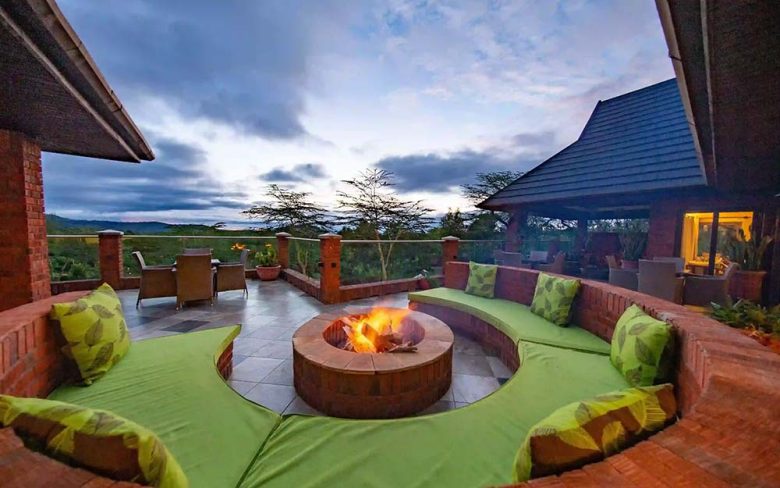
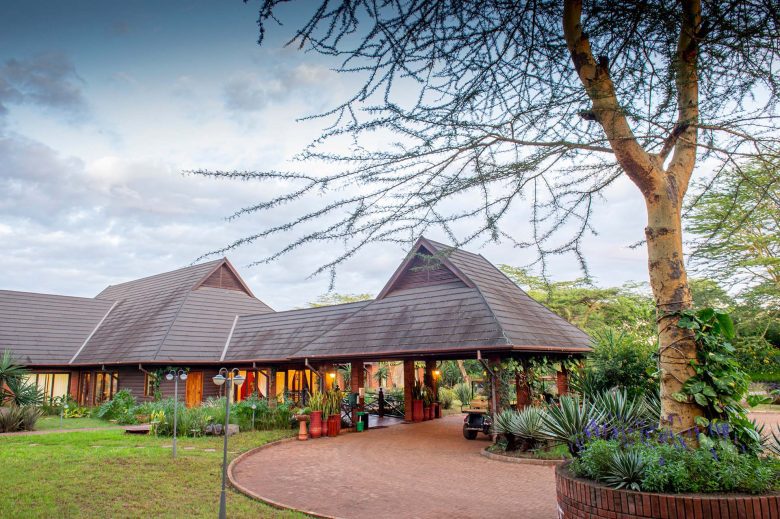
Our lodge, The Retreat at Ngorongoro, is in the Tloma area of Karatu, with 30 standalone villas, an infinity pool, a spa and food from our own gardens. See our villas.
How much does a 3-day safari cost?
For two people on a private, mid-range lodge safari, expect roughly US$1,300 to US$2,000 per person, including park fees, a private vehicle and guide, and two nights’ full-board accommodation. Budget camping safaris cost less; luxury lodges cost more. The Ngorongoro Crater service fee of about US$295 is per vehicle, so groups pay less per person. Read how much a Tanzania safari costs.
Best time for a 3-day safari
- June to October: dry season; Tarangire is at its best for elephants. Busy at the crater.
- January and February: green and quieter, good for birds.
- November and December: short rains; lush scenery and fewer vehicles.
- April and May: long rains; cheapest, with some muddy roads.
What you are likely to see in three days
| Animal | Best chance |
|---|---|
| Elephant | Tarangire (large herds), also Manyara and the crater |
| Lion | Ngorongoro Crater, also Tarangire |
| Black rhino | Ngorongoro Crater only |
| Buffalo | Ngorongoro Crater and Manyara |
| Giraffe | Tarangire and Manyara (none on the crater floor) |
| Flamingo | Lake Manyara and Lake Magadi in the crater, depending on water levels |
| Baboons and monkeys | Lake Manyara forest |
| Leopard | Possible in Tarangire, Manyara or the crater; never guaranteed |
What to pack
- Layers: T-shirt, long-sleeved shirt and a warm fleece for the crater rim at dawn.
- Neutral colours; avoid dark blue and black in Tarangire and Manyara, where tsetse flies are common.
- Hat, sunglasses and sunscreen.
- Binoculars and a camera with a zoom lens.
- A scarf or buff for dust.
- Small notes for tips and Mto wa Mbu stops.
Tips for a short safari
- Book a private vehicle so you can start early and set your own pace.
- Pack warm layers for the crater rim at dawn.
- Bring binoculars for rhino and birds.
- Avoid driving after dark on the way back to Arusha.
- Add a night if you can. Four days makes the trip far more relaxed.
Questions about a 3-day safari
Is a 3-day safari in Tanzania worth it?
Yes. Tarangire, Lake Manyara and the Ngorongoro Crater offer excellent wildlife in a short time, and the driving distances are manageable.
Can I see the Big Five in 3 days?
Often, yes. The Ngorongoro Crater gives a good chance of lion, buffalo, elephant and black rhino; leopard is the hardest.
Where should I stay on a 3-day safari?
Karatu is the best base, between all three parks, with warmer nights and no concession fees.
Should I include the Serengeti in 3 days?
It is possible by flying, but rushed. For the Serengeti, plan at least five days.
Planning a short safari? Check availability for two nights in Karatu.