
A Tanzania safari usually costs somewhere between about US$250 and US$1,500 per person per day, depending on the style of accommodation, the season, whether your vehicle is private or shared, and how many parks you visit. A simple camping safari sits at the bottom of that range, a comfortable lodge safari in the middle, and fly-in luxury camps at the top or beyond. Park fees alone can make up a large share of the total.
This guide breaks down what you actually pay for, typical prices by safari style, worked examples, the costs people forget and how to get the most from your budget.
Tanzania safari cost at a glance
| Safari style | Typical cost per person per day | What you get |
|---|---|---|
| Budget camping | About US$250 to US$350 | Public campsites, shared or basic vehicle, cook on safari |
| Mid-range lodge | About US$350 to US$600 | Lodges with private rooms and full board, private vehicle and guide |
| Upscale lodge and camp | About US$600 to US$1,000 | Boutique lodges and quality tented camps, private guide, better locations |
| Luxury and fly-in | About US$1,000 to US$2,000 and above | Top camps, small planes between parks, fully inclusive rates |
These are guide prices for a private safari with two people sharing, including park fees. Solo travellers pay more per person; families and groups sharing a vehicle pay less.
What you pay for on a safari
1. Park and conservation fees
Every park charges a daily entry fee per person, and the Ngorongoro Crater adds a per-vehicle fee for each descent. Based on published 2026 rates for non-resident adults, expect about US$59 a day for Tarangire or Lake Manyara, around US$70 or more for the Serengeti, about US$71 per 24 hours for the Ngorongoro Conservation Area, and about US$295 per vehicle for each crater descent. Lodges and camps inside some parks also charge nightly concession fees. Read Ngorongoro fees explained for worked examples.
2. Vehicle and guide
A private 4×4 safari vehicle with a professional driver-guide, fuel and the guide’s own costs is a fixed daily cost shared by everyone in the vehicle. That is why a family of four pays much less per person than a couple.
3. Accommodation and meals
Usually the biggest variable. Mid-range lodges might cost US$150 to US$300 per person per night on full board; upscale lodges US$300 to US$600; top camps far more. All-inclusive plans add drinks.
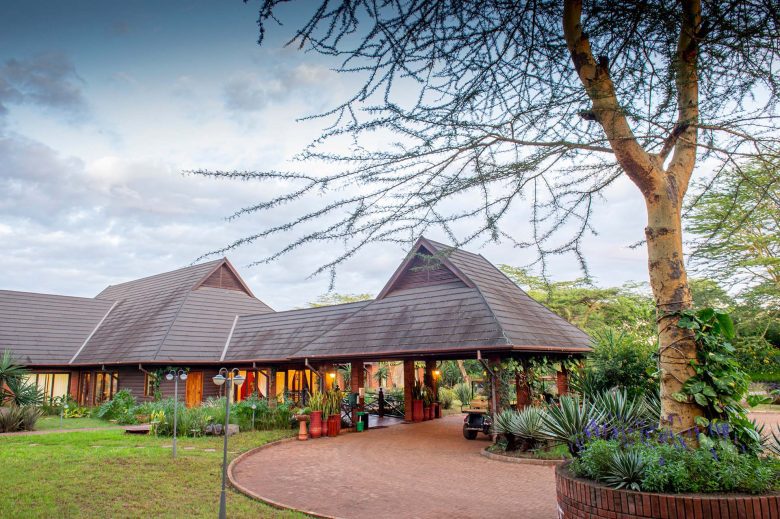
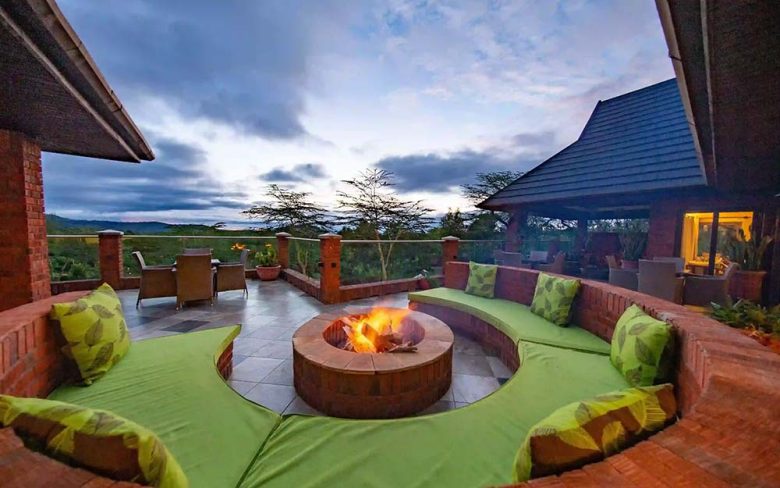
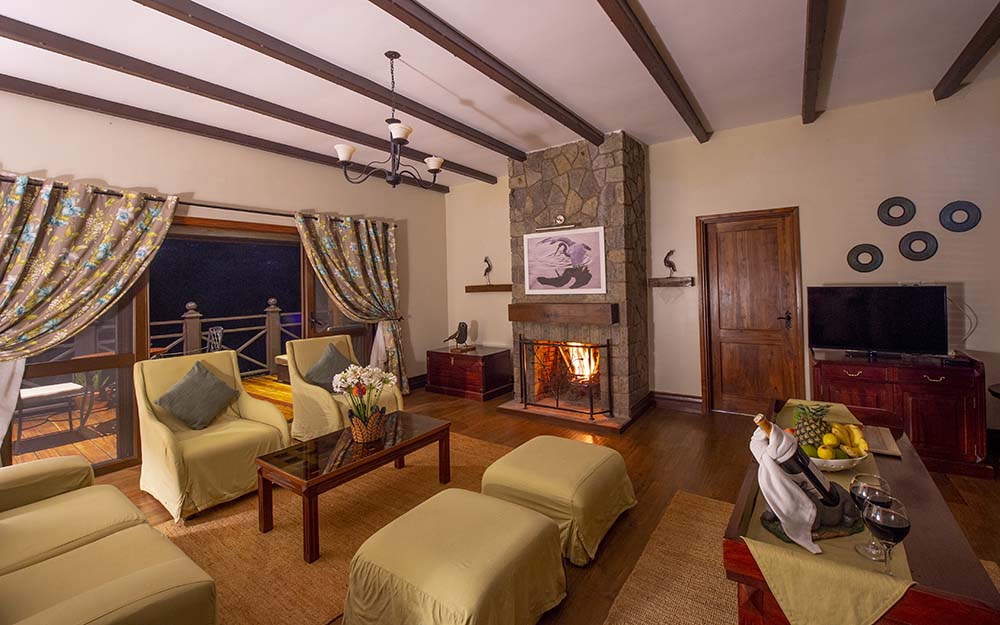
For a real example, our 2026 and 2027 rates at The Retreat at Ngorongoro, including VAT and tourism levy, are US$798 per night for two people sharing a villa on full board in high season, or US$869 all inclusive with house drinks. In low season, April and May, the same villa is US$480 full board or US$551 all inclusive. See our full tariffs.
4. Flights
International flights to Kilimanjaro, plus any small-plane flights between parks. Fly-in safaris save time but cost more than driving.
5. Extras
- Tips: a common guideline is around US$20 to US$30 per day for your guide, per vehicle, plus a contribution to the staff tip box at each lodge.
- Visa: most visitors need a visa, usually applied for online before travel.
- Mandatory travel insurance: US$44 per adult for the government policy required since 1 October 2026. See our Tanzania mandatory travel insurance guide.
- Your own travel insurance: with medical evacuation and cancellation cover.
- Vaccinations and malaria tablets.
- Drinks if you are on full board.
- Optional activities: hot-air balloon flights over the Serengeti, cultural visits, spa treatments.
Worked examples
3-day safari: Tarangire, Lake Manyara and Ngorongoro, mid-range
Two people, private vehicle, two nights in Karatu. Expect roughly US$1,300 to US$2,000 per person, including park fees, vehicle, guide and full-board lodges. See our 3-day safari guide.
7-day northern circuit, mid-range to upscale
Two people, private vehicle, Tarangire, Lake Manyara, the Ngorongoro Crater and the Serengeti. Expect roughly US$3,000 to US$6,000 per person, depending on lodges and season.
7-day fly-in luxury
Two people, top camps, flights between parks. Expect US$8,000 to US$15,000 per person or more.
A family of four, 5-day mid-range safari
Two adults and two children aged 8 and 12, sharing one private vehicle and family rooms. Because the vehicle, guide and crater fee are shared, the cost per person drops noticeably. Expect roughly US$1,800 to US$3,000 per person, with children’s park fees and lodge rates lower than adults’. At our lodge, children aged 3 to 15 sharing with two adults pay 50% of the per-person twin rate, and under-3s stay free.
Shared vs private safari: the real difference
| Shared (group) safari | Private safari | |
|---|---|---|
| Cost | Lower per person | Higher for two; similar for groups of four to six |
| Pace | Set by the group | Set by you |
| Window seat | Not guaranteed | Yes |
| Itinerary | Fixed | Flexible |
| Best for | Solo travellers and tight budgets | Couples, families, photographers |
What makes a safari more or less expensive
- Season: June to October and the festive period are peak. April and May are cheapest, with lower lodge rates and fewer vehicles.
- Private vs shared: shared group safaris cut costs; private trips give flexibility.
- Group size: vehicle costs and the crater fee are shared, so more people per vehicle means a lower cost per person.
- Where you sleep near Ngorongoro: staying in Karatu avoids the nightly concession fee charged on the crater rim and can save several hundred US dollars for a couple over two nights. See crater rim vs Karatu.
- Number of parks and driving vs flying.
- Length: longer trips often have lower daily costs, because transfer days are spread out.
Costs people forget
- Park fees left out of a quote. Always check they are included and listed.
- Tips. These add up over a week; budget for them.
- Drinks and laundry on full-board plans.
- Extra 24-hour fee blocks if gate times are poorly planned.
- Single supplements for solo travellers.
- Card surcharges at some lodges and operators.
How to get the best value
- Travel in the shoulder or green season: January to March, May, early June and November to mid-December.
- Base yourself in Karatu for the crater and Lake Manyara rather than inside the conservation area.
- Share a vehicle with family or friends.
- Choose all inclusive if you drink a few drinks a day; otherwise full board is cheaper.
- Compare like with like: same lodges, private vs shared, and fees included.
- Book early for peak dates; smaller lodges fill first.
For a comfortable base between the Ngorongoro Crater and Lake Manyara, see our villas and all-inclusive stays, or read our list of the best safari companies in Tanzania.
Questions about Tanzania safari costs
How much does a Tanzania safari cost per day?
Roughly US$250 to US$350 per person for budget camping, US$350 to US$600 for mid-range lodges, US$600 to US$1,000 for upscale, and US$1,000 or more for luxury, with park fees included.
How much is a 7-day safari in Tanzania?
A mid-range to upscale 7-day northern circuit safari typically costs about US$3,000 to US$6,000 per person, excluding international flights.
When is the cheapest time for a Tanzania safari?
April and May, during the long rains, when many lodges offer low-season rates. January to March and November are good-value shoulder months.
Are park fees included in safari prices?
Usually, but not always. Ask your operator to list park, concession and crater fees separately in the quote.
How much should I tip my safari guide?
A common guideline is around US$20 to US$30 per day per vehicle for your guide, plus lodge staff tips. Tip more for exceptional service or larger groups.
Planning your budget? See our rates or check availability.