
Is Tanzania safe to visit? Yes, Tanzania is generally safe for a safari, especially in the northern circuit of the Serengeti, Ngorongoro, Tarangire and Lake Manyara. Hundreds of thousands of visitors travel here every year without problems. The real risks on a safari are less dramatic than most people expect: road accidents, petty theft in towns, illness and, occasionally, wildlife when guests ignore their guide.
This guide gives an honest picture: what official travel advice says now, where the real risks are, and the simple habits that keep a safari trouble-free. Situations change, so always check your own government’s latest advice before you travel.
What official travel advice says
After the general election of October 2025, protests and unrest in some cities, mainly Dar es Salaam, led several governments to raise their travel warnings for Tanzania. The United States moved Tanzania to Level 3, “Reconsider travel”, at the end of October 2025.
In October 2026, the US lowered its national advisory to Level 2, “Exercise increased caution”, the same level it uses for many popular destinations. The Mtwara Region in the far south, near the Mozambique border, remains under stricter warnings because of the risk of militant activity. That region is on the opposite side of the country from the northern safari parks and is not on any standard safari route.
The UK, Canada and Australia publish their own advice, which can differ in tone. All of them focus on similar themes: avoid political gatherings, take care in cities after dark, watch out for crime in busy areas and respect local laws. Check each country’s page for any region-specific warnings.
Before you book and again before you fly, read the current advice from your own government and sign up for its travel alerts. A good safari operator will also brief you on any local changes.
Where the real risks are on a safari
1. Roads
Road travel is the biggest everyday risk in Tanzania, as in much of East Africa. Main roads are busy with trucks and buses, speed bumps are frequent, and driving after dark is risky because of unlit vehicles, livestock and people on the road. The best protection is an experienced professional driver-guide, a well-maintained vehicle and an itinerary that avoids long drives at night. Wear your seat belt between parks.
2. Petty crime in towns
Pickpocketing, bag snatching and phone theft happen in busy parts of Arusha, Moshi and Dar es Salaam, especially at night. Inside the parks and at lodges, crime against visitors is rare.
- Keep phones, cameras and cash out of sight in crowds and markets.
- Take a taxi arranged by your hotel at night rather than walking.
- Use the safe in your room for passports and spare cash.
- Be wary of unofficial “guides” and touts offering cheap safaris on the street.
3. Health
Most health problems on safari are minor: an upset stomach, sunburn or a cold from early morning drives. A few things need planning.
- Malaria is present in most of Tanzania, including the safari areas. Talk to a travel doctor about tablets, use repellent from dusk and sleep under a net where one is provided. Highland areas such as Karatu and the Ngorongoro rim have fewer mosquitoes than the coast, but the risk is not zero.
- Yellow fever: you may need a vaccination certificate if you arrive from, or transit for a long time through, a country with yellow fever risk. Check the current rule for your route.
- Water and food: drink bottled or filtered water. Lodge food is generally safe; with street food, choose freshly cooked, hot dishes.
- Sun and altitude: the sun is strong at 1,500 to 2,300 metres. Wear a hat and sunscreen even when the air feels cool.
- Insurance: take travel insurance that covers medical evacuation. Serious medical care is concentrated in Arusha, Nairobi and Dar es Salaam, and many parks are hours from a hospital. Flying-doctor evacuation cover is widely available. Since 1 October 2026 visitors must also hold a US$44 government policy; see our Tanzania mandatory travel insurance guide.
4. Wildlife
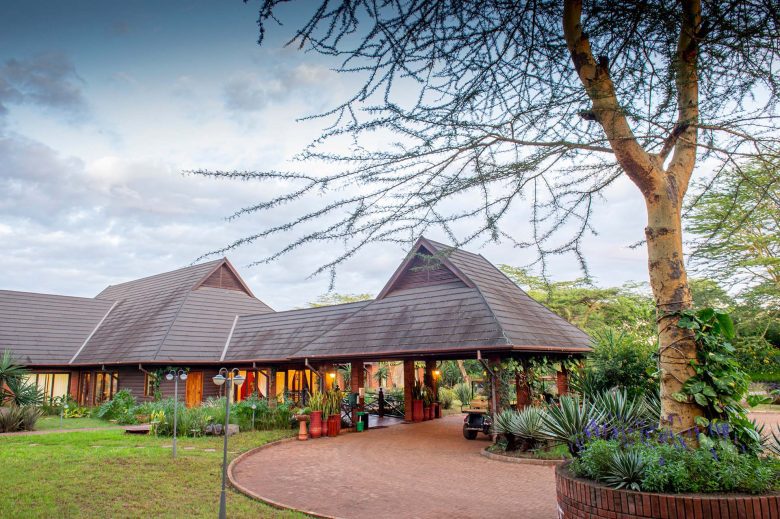
Wild animals are the reason you come, and accidents involving visitors are very rare when guests follow simple rules. Many safari lodges, including ours, are unfenced, so animals such as buffalo, bushbuck and occasionally elephant can pass through the grounds at night.
- Stay inside the vehicle on game drives unless your guide says it is safe to get out.
- Keep arms and cameras inside when animals are close, and never feed wildlife.
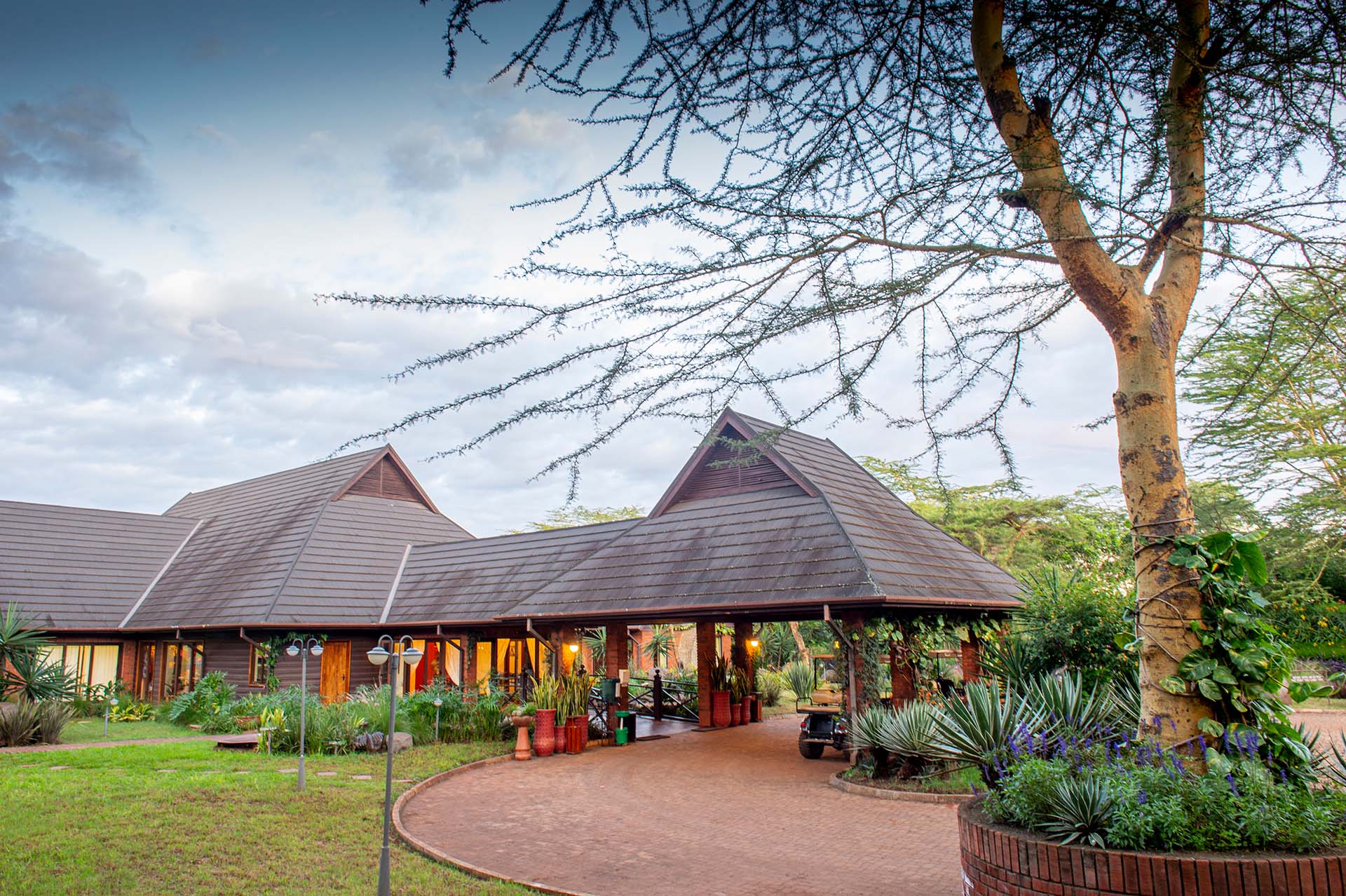
- At unfenced lodges, ask for an escort to and from your room after dark. At The Retreat at Ngorongoro, staff drive guests to their villas by golf cart on request.
- Do not walk in the bush without a ranger or trained guide.
Local laws and customs that matter
- Plastic bags are banned in Tanzania. Leave single-use carrier bags at home; clear zip-lock bags for toiletries are usually fine.
- Drones need permits from several authorities and are not allowed in national parks without permission. Do not bring one unless you have arranged this in advance.
- Photography: do not photograph military sites, police, airports or government buildings. Always ask before photographing people.
- Dress: casual clothes are fine on safari. Dress more modestly in towns, villages and on Zanzibar.
- LGBTQ travellers: same-sex relationships are illegal in Tanzania. Many LGBTQ travellers visit without problems, but public displays of affection are best avoided. Lodges and experienced operators are generally discreet and welcoming.
- Politics: avoid demonstrations and political gatherings, and be careful about posting political comments on social media while in the country.
- Drugs: penalties are severe.
Is Tanzania safe for families and solo travellers?
Families: yes. Northern Tanzania is one of the most popular family safari destinations in Africa. Choose lodges with family rooms, keep drives short for young children and follow your doctor’s advice on malaria tablets for children. Read our family stays page for ideas.
Solo women: many women travel alone on safari in Tanzania. On a guided safari with a reputable operator, you are rarely on your own outside the lodge. In towns, take the same care you would in any unfamiliar city, especially at night, and dress modestly in local areas.
How to choose a safe safari
- Use a licensed operator. Look for membership of TATO, the Tanzania Association of Tour Operators, and recent independent reviews.
- Ask about vehicles and guides. Well-maintained 4×4 vehicles and experienced full-time guides make the biggest difference to road safety.
- Avoid very cheap deals. Prices far below the market often mean old vehicles, overworked drivers or hidden fees.
- Plan sensible driving days. Avoid arriving after dark and break up long drives with a night in Karatu or similar.
- Share your itinerary with someone at home and keep copies of your passport and insurance.
For a comfortable, quiet base between the Ngorongoro Crater and Lake Manyara, see our villas in Karatu, or read our Karatu town guide.
Questions about safety in Tanzania
Is it safe to go on safari in Tanzania right now?
For the northern circuit, generally yes. The national parks, Kilimanjaro and Zanzibar have continued to operate normally. In October 2026 the US lowered its national advisory to Level 2, “Exercise increased caution”. Always check your own government’s latest advice before you travel.
Is Tanzania safe for tourists?
Yes, for the vast majority of visitors. Most problems are petty theft in cities and road accidents, both of which you can reduce with sensible precautions and a reputable operator.
Is the Serengeti safe?
Yes. The Serengeti is remote and well managed, and crime against visitors is rare. The main risks are road travel to get there and ignoring your guide’s advice around wildlife.
Is Arusha safe for tourists?
Arusha is generally safe by day. As in any city, petty theft happens in busy areas, so keep valuables hidden and use a taxi after dark.
Do I need vaccinations for Tanzania?
Speak to a travel doctor about routine vaccinations, malaria prevention and whether you need a yellow fever certificate for your route.
Is the water safe to drink?
Drink bottled or filtered water. Lodges provide safe drinking water for guests.
Questions about travelling to Karatu and Ngorongoro? Our reservations team is happy to help. Contact us or check availability.