
Karatu weather is mild for most of the year. Days are usually warm and pleasant, nights are cool, and the town avoids both the heat of the Rift Valley floor below it and the cold of the Ngorongoro Crater rim above it. The main things that change through the year are rain and night-time temperature, so the month you travel decides what you pack, not whether you can go.
This guide explains Karatu’s climate month by month, how it differs from the crater rim, and what each season means for a safari based in Karatu.
Karatu weather at a glance
Karatu sits at about 1,500 metres on the green slopes below the Ngorongoro highlands. That height is the reason the town feels so comfortable. Long-term averages put daytime highs at roughly 23 to 28°C through the year, and night-time lows at roughly 13 to 17°C, with the coolest nights from June to August.
Tanzania’s north has two rainy seasons: the short rains, roughly November and December, and the long rains, roughly March to May, with April usually the wettest month. The rest of the year is mostly dry. These are averages, and rains can start early, arrive late or skip a few weeks, so treat every date as a guide.
| Month | Days | Nights | Rain | What it feels like |
|---|---|---|---|---|
| January | Warm | Mild | Short dry spell, some showers | Green, bright, pleasant |
| February | Warm | Mild | Mostly dry with showers | One of the warmest months |
| March | Warm | Mild | Long rains begin | Afternoon storms, lush hills |
| April | Mild | Mild | Wettest month | Heavy showers, muddy roads, very green |
| May | Mild | Cool | Rains easing | Fresh, quiet, cooler evenings |
| June | Mild | Cool | Dry | Crisp mornings, clear days |
| July | Mild | Coolest | Dry | Fire weather in the evenings |
| August | Mild | Cool | Dry | Dusty roads, clear skies |
| September | Warm | Mild | Dry | Warming up, dry and dusty |
| October | Warm | Mild | Mostly dry, first showers late | Hot afternoons, hazy views |
| November | Warm | Mild | Short rains | Short storms, then sun |
| December | Warm | Mild | Short rains | Green again, festive season |
Karatu weather month by month
January and February: green and warm
These months fall in the gap between the two rainy seasons. Expect warm days, mild nights and the odd short shower. The hills and coffee farms are green, the air is clear and the light is good for photos. It is also calving season on the Ndutu plains in the west of the Ngorongoro Conservation Area, about three hours’ drive from Karatu, so many guests combine the crater with a day or two there.
March to May: the long rains
The long rains usually build in March, peak in April and ease in May. Rain tends to come as heavy afternoon or night-time downpours rather than all-day drizzle, but April can bring several wet days in a row. Murram (dirt) roads get slippery, and some side tracks, such as the road to Lake Eyasi, can become difficult.
In practice, this is the quietest and best-value time to visit. The crater floor is lush, there are fewer vehicles and lodge rates are lower. At The Retreat at Ngorongoro, April and May are our low season. Pack a light rain jacket and plan game drives for the mornings, when skies are often clearer.
June to August: cool, dry and clear
This is Karatu’s cool season. Days are still comfortable, with average highs in the low 20s °C, while average lows drop to around 13°C and clear nights can feel colder. A fleece for the evening and a warm layer for the drive up to the crater rim before dawn are essential. Roads are dry and the views are clear, which makes this the classic safari season. Expect more vehicles at popular sightings and book well ahead.
September and October: warm and dusty
Temperatures climb again and the land dries out. Roads are dusty, hills turn gold and afternoons can feel hot in the sun. Late October sometimes brings the first showers. Wildlife on the crater floor and in Lake Manyara gathers near water, so game viewing is reliable.
November and December: the short rains
The short rains are usually brief. A typical day starts sunny, clouds build after lunch and a storm passes through in an hour or two. The landscape turns green fast. December is busy around the festive dates, so book early if you want to be in Karatu for Christmas or New Year.
Karatu vs the Ngorongoro Crater rim
The crater rim is only about 30 to 60 minutes’ drive from Karatu, but it sits about 800 metres higher, at roughly 2,300 metres. That difference changes everything after dark.
- Nights: rim nights in June to August can drop to around 0 to 5°C. Karatu stays noticeably milder.
- Mist: cloud often sits on the rim in the early morning and can hide the crater view. Karatu mornings are often clearer.
- Rain: the highlands catch more cloud and drizzle than the town below.
The practical lesson is to dress for the rim, not for Karatu, on your crater day. Even on a warm Karatu morning, the drive over the rim at 6:00 AM can be properly cold. For more on choosing a base, read our guide to crater rim vs Karatu.
What the weather means for your safari
Karatu is a base for the Ngorongoro Crater, Lake Manyara and Lake Eyasi, and each one reacts to the weather a little differently.
- Ngorongoro Crater: worth visiting all year. The animals stay on the crater floor in every season, so weather affects comfort and photos more than sightings.
- Lake Manyara: greener and more beautiful in the rains, with more birdlife. Some forest tracks can be muddy in April.
- Lake Eyasi: hot and dry most of the year. The dirt road can be rough after heavy rain, so check conditions in April and May.
What to pack for Karatu
- A warm fleece or light down jacket for evenings and early crater starts, especially June to August.
- A light rain jacket from March to May and in November and December.
- Layers you can peel off: mornings are cool and afternoons warm.
- Sun hat, sunscreen and sunglasses. The sun is strong at this altitude, even when the air feels cool.
- Comfortable walking shoes for garden walks, the forest trail or a hike to Endoro Falls.
- A dust scarf or buff for dry-season drives.
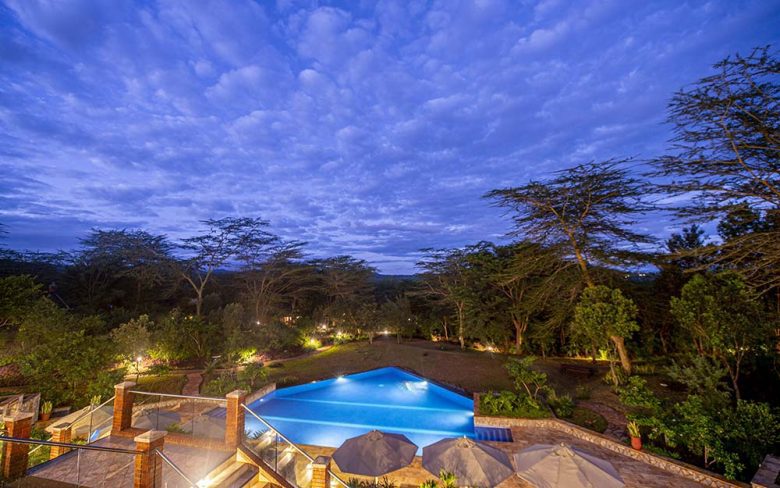
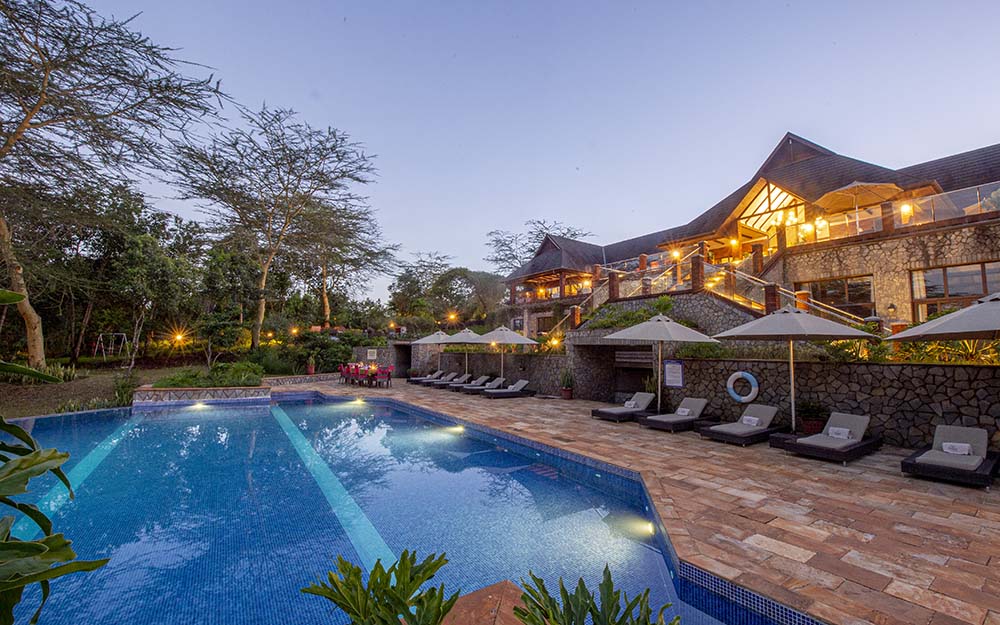
At our lodge, every villa has a wood-burning fireplace and the pool is open year round, so you can pack for both a cosy evening and a swim on the same day. Find out more about our villas.
Questions about Karatu weather
What is the best month to visit Karatu?
June to October is the classic dry season, with clear skies and easy roads. January and February are a good alternative, with green landscapes, warm days and calving on the nearby Ndutu plains. April and May are the quietest and best-value months, with more rain.
Does it get cold in Karatu?
Days are rarely cold, but average night-time lows fall to around 13°C in June to August, and clear nights can feel colder. The Ngorongoro Crater rim above Karatu is much colder, so pack a warm layer for early crater drives.
When is the rainy season in Karatu?
The long rains usually fall from March to May, with April the wettest month. The short rains usually come in November and December. Showers often pass quickly rather than lasting all day.
Can I visit Ngorongoro Crater in the rainy season?
Yes. The crater is open all year and the animals stay on the floor. Expect fewer vehicles, greener scenery and some muddy roads, especially in April.
Planning your dates? See our seasons and rates, or check availability.